
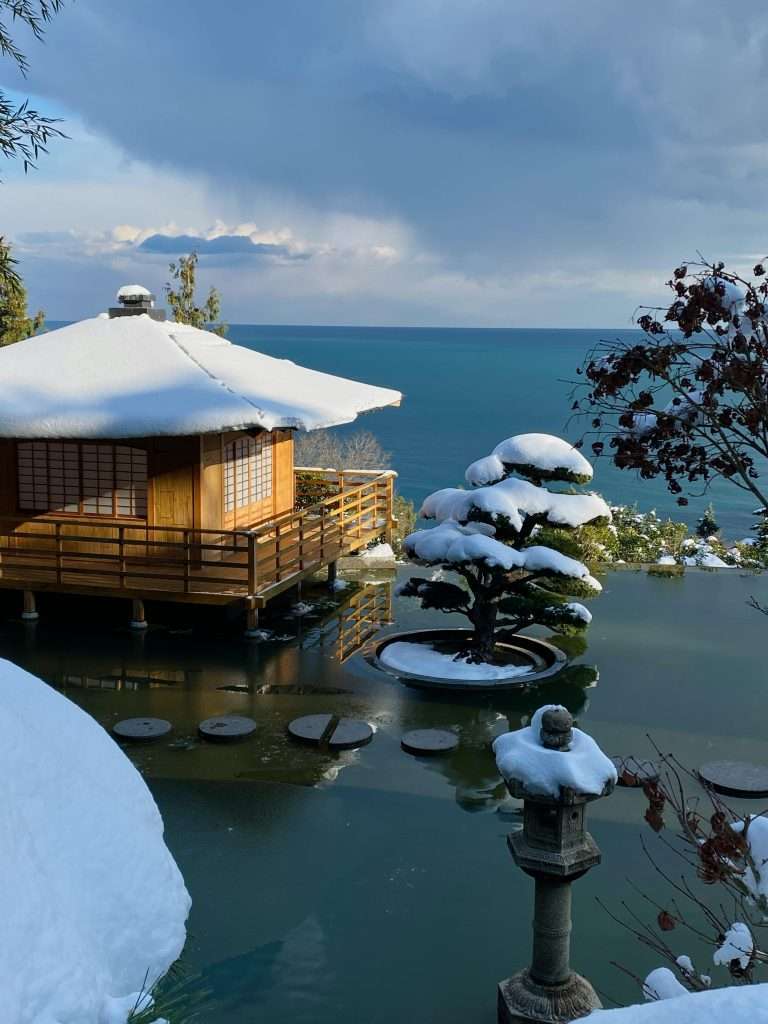
How to Enjoy a Traditional Ryokan Stay: From Onsen to Kaiseki Dining
Introduction
A traditional ryokan stay offers a glimpse into the heart of Japanese culture, combining relaxation, fine dining, and authentic hospitality. Whether you’re a first-time visitor or a seasoned traveler, staying at a ryokan (a traditional Japanese inn) is a unique experience that allows you to connect with Japan’s rich heritage.
From unwinding in natural hot springs (onsen) to savoring a multi-course kaiseki dinner, a ryokan stay is more than just accommodation—it’s an immersive journey into Japan’s traditions. This guide will help you make the most of your visit, with tips on choosing the right ryokan, understanding the etiquette, and enjoying all it has to offer.
1. What is a Ryokan?
A ryokan is a traditional Japanese inn that dates back to the Edo period. Unlike modern hotels, ryokans are designed to provide a serene and cultural experience.
- Key Features of a Ryokan:
- Tatami Rooms: Rooms are floored with tatami mats and furnished with low tables and futons for sleeping.
- Onsen: Many ryokans have natural hot spring baths, offering a relaxing and rejuvenating experience.
- Kaiseki Dining: A traditional multi-course meal showcasing seasonal and regional ingredients.
- Omotenashi: The art of Japanese hospitality, ensuring every guest feels cared for.
2. Choosing the Right Ryokan
Location Matters
- Hakone: Known for its stunning mountain views and hot springs.
- Kyoto: Offers a mix of historic ryokans near temples and gardens.
- Gero Onsen: One of Japan’s top three onsen towns, ideal for hot spring enthusiasts.
Types of Ryokan
- Luxury Ryokan: High-end inns with private onsen and exquisite dining experiences.
- Traditional Ryokan: Mid-range options offering an authentic cultural stay.
- Budget Ryokan: Simple accommodations for travelers on a budget.
- Pro Tip: Book early, especially during peak travel seasons like cherry blossom or autumn foliage.
3. Arrival and Check-In Etiquette
When you arrive at a ryokan, you’ll notice differences compared to a standard hotel.
- Shoes Off: Remove your shoes at the entrance and wear the provided slippers.
- Yukata Attire: You’ll receive a yukata (lightweight traditional kimono), which you can wear during your stay.
- Warm Welcome: Staff will guide you to your room and serve green tea as part of the omotenashi tradition.
4. Relaxing in an Onsen
One of the highlights of a traditional ryokan stay is bathing in an onsen.
Onsen Etiquette
- Shower First: Wash thoroughly before entering the shared bath.
- No Swimwear: Onsen bathing is done naked to preserve cleanliness.
- Towels: Use a small towel to cover yourself modestly outside the water but keep it out of the bath.
Types of Onsen
- Indoor Onsen: Found within the ryokan, often with stunning decor.
- Outdoor Rotenburo: Open-air baths surrounded by nature.
- Private Onsen: Bookable for couples or families seeking privacy.
- Pro Tip: Try soaking in the evening and early morning for a serene experience.
5. Savoring Kaiseki Dining
A ryokan stay is incomplete without enjoying a kaiseki meal—a culinary art form showcasing seasonal ingredients.
What to Expect in a Kaiseki Meal
- Appetizers: Delicate dishes like sashimi or marinated vegetables.
- Soup: Often miso or a seasonal broth.
- Grilled Dish: Typically fish or beef, seasoned to perfection.
- Rice and Pickles: Served toward the end to signify the closing of the meal.
- Dessert: Light and refreshing, such as mochi or fruit.
- Dining Tips:
- Meals are often served in your room or a private dining area.
- Notify the ryokan in advance if you have dietary restrictions.
6. Sleeping on Futons
At night, staff will prepare your futon bedding directly on the tatami floor.
- Why Try It? Sleeping on a futon provides a comfortable and authentic experience.
- Pro Tip: Layered futons ensure warmth during colder months.
7. Morning at a Ryokan
Wake up early to enjoy the serene ambiance of the ryokan.
- Traditional Japanese Breakfast: Often includes grilled fish, rice, miso soup, and pickles.
- Morning Onsen: A refreshing dip to start your day.
- Exploring Nearby Attractions: Many ryokans are located near temples, gardens, or scenic spots.
8. Popular Ryokans in Japan
Ginyu Ryokan (Hakone)
- Features: Panoramic views of Hakone mountains, private open-air onsen, luxurious dining.
Hiiragiya Ryokan (Kyoto)
- Features: Over 200 years of history, located in Kyoto’s historic district, famous for impeccable service.
Hoshi Ryokan (Ishikawa Prefecture)
- Why Unique: One of the world’s oldest inns, operating for over 1,300 years.
Conclusion
A traditional ryokan stay is more than just accommodation—it’s an immersive cultural experience that offers relaxation, exquisite cuisine, and a deeper understanding of Japanese hospitality. From unwinding in an onsen to indulging in a kaiseki meal, every aspect of a ryokan stay reflects the essence of Japan’s heritage.
Whether you’re visiting iconic destinations like Hakone or seeking hidden gems in rural Japan, a ryokan stay is a must for travelers looking to connect with the country’s traditions. Follow this guide to make the most of your visit, and prepare to create memories that will last a lifetime.
Ready to explore more about Japan or need personalized guidance? Contact us here!
Disclaimer: event schedules, entry fees, and illumination times are subject to change. Always check official websites for the latest updates before visiting.