
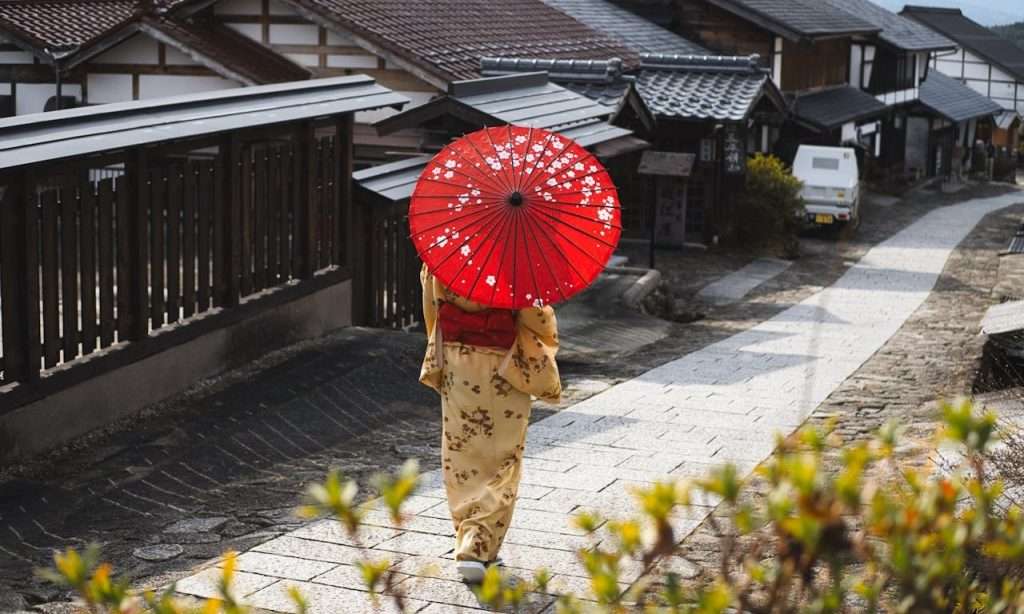
Step Back in Time: Visiting Japan’s Historic Castles and Samurai Districts
Introduction
Japan’s rich history is beautifully preserved in its historic castles and samurai districts, offering a glimpse into the country’s feudal era. These landmarks are more than architectural marvels—they are symbols of power, culture, and tradition that tell the stories of samurai warriors and feudal lords who shaped Japan’s history.
Whether you’re exploring the majestic Himeji Castle or walking through the atmospheric samurai quarters of Kanazawa, this guide will help you navigate Japan’s historic sites and uncover their fascinating past.
1. The Role of Castles in Feudal Japan
Castles in Japan were constructed during the Sengoku (Warring States) period to protect territories and serve as administrative centers for feudal lords (daimyo).
- Unique Features of Japanese Castles:
- Architecture: Wooden structures with steep roofs, surrounded by moats and stone walls.
- Defensive Features: Watchtowers, gates, and complex layouts to thwart attacks.
- Cultural Significance: Castles often served as hubs for arts and governance.
- Famous Example: Himeji Castle, also known as the “White Heron,” is a masterpiece of Japanese castle architecture.
2. Top Castles to Visit in Japan
Himeji Castle (Hyogo Prefecture)
- Why Visit?
A UNESCO World Heritage Site, Himeji Castle is Japan’s best-preserved and most iconic castle. - Highlights:
- Intricate wooden interiors and panoramic views from the main keep.
- Cherry blossoms in spring create a picturesque setting.
- Travel Tip: Arrive early to avoid crowds and take a guided tour to learn about its history.
Matsumoto Castle (Nagano Prefecture)
- Why It’s Unique:
Known as the “Crow Castle” due to its black exterior, Matsumoto Castle is one of Japan’s oldest surviving castles. - What to See:
- Stunning reflection of the castle in the surrounding moat.
- Seasonal events like the Taiko Drum Festival in summer.
Kumamoto Castle (Kumamoto Prefecture)
- Noteworthy Feature:
Recently restored after the 2016 earthquake, Kumamoto Castle is a symbol of resilience. - What to Explore:
- The imposing main keep and lush castle grounds.
- Interactive exhibits about samurai culture.
Inuyama Castle (Aichi Prefecture)
- Why It Stands Out:
One of Japan’s oldest original castles, dating back to 1537. - What to Experience:
- Climb to the top for breathtaking views of the Kiso River.
- Learn about the castle’s role in local governance.
3. Samurai Districts: Walking Through History
Samurai districts are well-preserved areas where samurai families once lived. These districts provide a window into the daily lives of these elite warriors.
Kanazawa’s Nagamachi Samurai District
- Why Visit?
Kanazawa is one of the best places to explore samurai culture. - Top Attractions:
- Nomura Samurai House: A restored samurai residence with traditional gardens.
- Narrow Lanes: Walk through streets lined with earthen walls and cobblestones.
Kakunodate Samurai District (Akita Prefecture)
- What Makes It Special?
Known as the “Little Kyoto of the North,” Kakunodate features beautifully preserved samurai houses. - Highlights:
- Visit the Aoyagi and Ishiguro samurai houses for a glimpse of Edo-period life.
- Stunning cherry blossoms in spring enhance the area’s charm.
Hagi Samurai District (Yamaguchi Prefecture)
- Why Go?
Hagi is a lesser-known gem that retains its Edo-period layout. - What to Explore:
- Traditional samurai residences and stone walls.
- Local pottery shops showcasing Hagi ware.
4. Cultural Insights: The Life of a Samurai
Samurai were more than warriors; they were scholars, poets, and statesmen who adhered to a strict code of ethics called Bushido.
- Core Values of Bushido:
- Loyalty, honor, and discipline.
- Mastery of both martial and intellectual pursuits.
- Samurai Traditions to Explore:
- Sword-making workshops in Seki City (Gifu Prefecture).
- Samurai reenactments at festivals like the Matsue Warrior Parade.
5. Travel Tips for Visiting Castles and Samurai Districts
Plan Your Visit:
- Check opening hours, as some sites close seasonally.
- Purchase combination tickets for access to multiple attractions in one area.
What to Wear:
- Comfortable shoes for walking on uneven paths.
- Seasonal attire: light layers in spring/autumn, warm clothing in winter.
Photography Etiquette:
- Respect no-photo zones, especially inside historic structures.
- Capture exterior views and gardens for memorable shots.
6. Festivals and Events
Himeji Castle Light-Up (Hyogo Prefecture):
- Illuminates the castle with dramatic lighting, creating a magical evening atmosphere.
Kakunodate Cherry Blossom Festival (Akita Prefecture):
- Celebrate spring with stunning sakura views in the samurai district.
Shiroishi Castle Samurai Festival (Miyagi Prefecture):
- Features samurai parades, horseback archery, and traditional performances.
Conclusion
Exploring Japan’s historic castles and samurai districts is like stepping into the pages of a history book. From the grandeur of Himeji Castle to the serene streets of Kanazawa’s samurai district, these sites offer an unparalleled glimpse into Japan’s feudal past.
Whether you’re a history enthusiast, a cultural traveler, or simply curious about samurai traditions, these destinations promise an enriching and unforgettable experience. Use this guide to plan your journey and immerse yourself in the timeless beauty of Japan’s heritage.
Ready to explore more about Japan or need personalized guidance? Contact us here!
Disclaimer: event schedules, entry fees, and illumination times are subject to change. Always check official websites for the latest updates before visiting.