

From Kyoto’s ancient temples to samurai castles in Kanazawa and Sendai, explore Japan’s living history through unforgettable heritage routes and cultural tours.
Covered in this Article
- Overview of Japan’s samurai heritage
- Must-visit samurai towns and castles
- Edo-period travel routes you can still walk today
- Cultural experiences to deepen your trip
- Recommended historical tour providers
Introduction
The story of Japan’s samurai — its warrior class — is one of honor, discipline, and artistry.
While the shogun and their retainers may be long gone, their legacy remains in Japan’s preserved castles, historical districts, and cultural traditions.
For travelers, samurai and historical tours offer a way to step back in time — walking castle grounds, exploring Edo-period post towns, and experiencing rituals that defined centuries of Japanese life.
In this guide, we’ll highlight Japan’s most iconic samurai destinations and how to explore them like a time traveler.
Understanding the Samurai Legacy
The samurai (侍) emerged over a thousand years ago as protectors of Japan’s ruling clans. By the Edo period (1603–1868), samurai became not only warriors but also bureaucrats, poets, and patrons of the arts.
Their influence shaped Japan’s architecture, ethics, and even modern design — from the orderly gardens of Kyoto to the martial discipline found in today’s martial arts and tea ceremony.
Cultural Insight:
Bushidō (武士道) — “The Way of the Warrior” — remains a key philosophy emphasizing loyalty, honor, and self-discipline.
Top Samurai & Historical Destinations in Japan
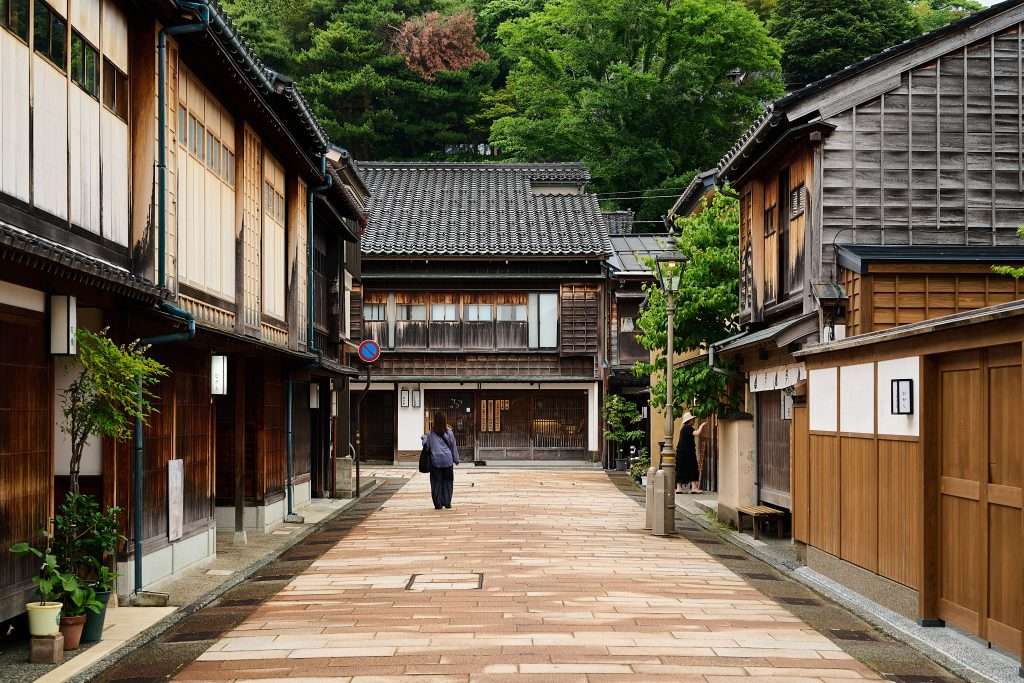
1. Kanazawa (Ishikawa Prefecture) — The City of Preserved Samurai Culture
Highlights:
- Nagamachi Samurai District with preserved residences
- Kanazawa Castle and Kenroku-en Garden
- Local crafts: gold leaf and Kaga Yuzen dyeing
Experience: Visit the Nomura Samurai House, once home to a middle-ranking samurai family, and stroll cobblestone streets unchanged since the Edo period.
Why Go: One of Japan’s best-preserved samurai towns outside Kyoto.
2. Aizu-Wakamatsu (Fukushima Prefecture) — The “Samurai City”
Highlights:
- Tsuruga Castle (reconstructed but historically faithful)
- Aizu Bukeyashiki (Samurai Residence Museum)
- Byakkotai Youth Warrior memorial
Experience:
Join a samurai sword training session or try wearing full armor at the castle grounds.
Why Go: Aizu’s samurai loyalty story is legendary — their resistance during the Boshin War (1868) symbolizes Japan’s last stand of traditional samurai honor.
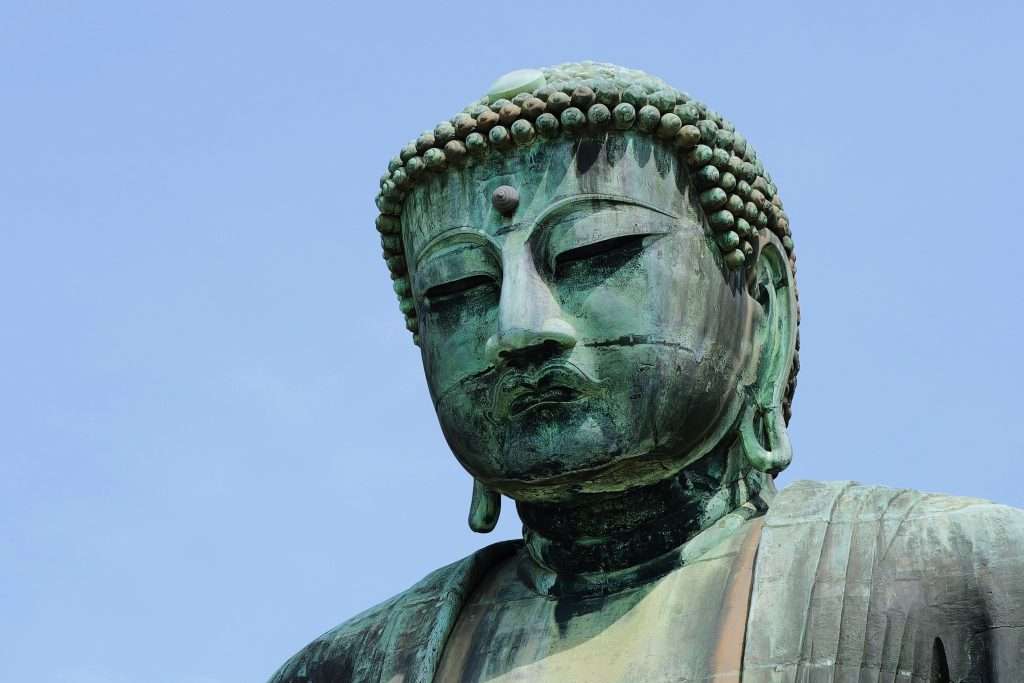
3. Kamakura (Kanagawa Prefecture) — The Birthplace of the Shogunate
Highlights:
- Tsurugaoka Hachimangu Shrine
- Kencho-ji and Engaku-ji Zen temples
- Samurai Trail hiking route (Daibutsu Trail)
Experience:
Hike through bamboo forests from Kita-Kamakura to the Great Buddha (Daibutsu), tracing paths once used by samurai messengers.
Why Go: Kamakura was Japan’s first samurai capital, established by the Minamoto clan in 1192.
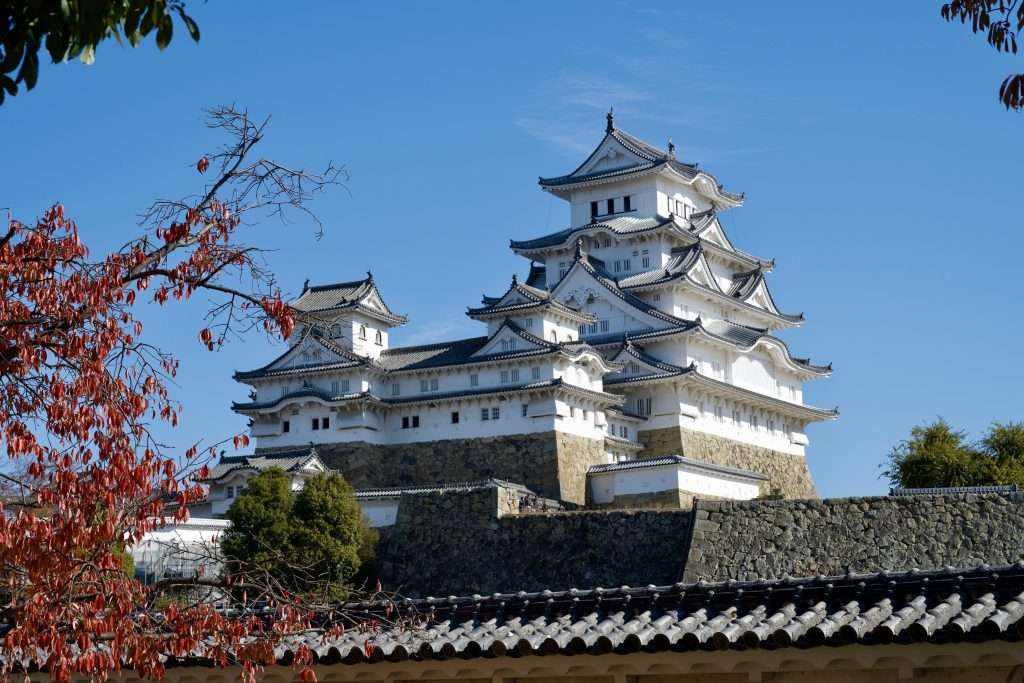
4. Himeji (Hyogo Prefecture) — Japan’s Most Beautiful Castle
Highlights:
- Himeji Castle (UNESCO World Heritage Site)
- Koko-en Garden and samurai film locations
Experience:
Explore Himeji Castle’s towering keep — Japan’s finest surviving example of original 17th-century architecture.
Why Go: Offers the most authentic samurai-era castle experience still intact.
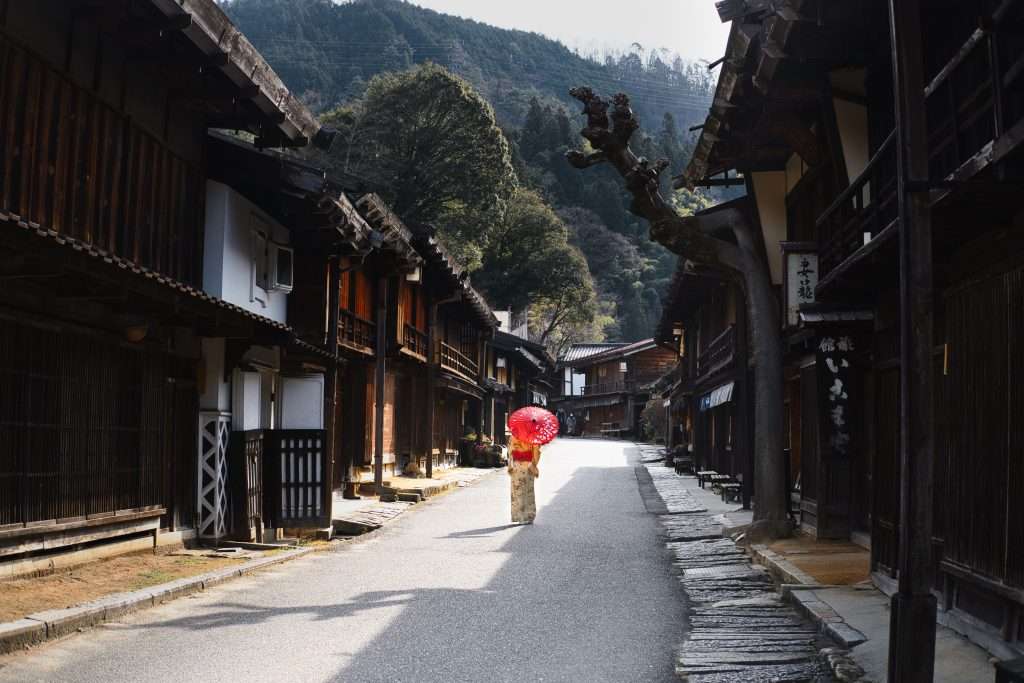
5. Edo Tokyo & the Nakasendo Trail
Highlights:
- Edo-Tokyo Open Air Architectural Museum
- Nihonbashi Bridge (start of Edo’s five major highways)
- Nakasendo Post Towns: Magome, Tsumago, Narai
Experience:
Walk Edo-period highways connecting Kyoto and Tokyo, staying overnight in old honjin (inns) used by samurai travelers.
Why Go: The Nakasendo Trail preserves the feel of Japan’s premodern travel system — scenic, cultural, and historically immersive.
6. Kyoto & Nara — Ancient Capitals of Culture and Power
Highlights:
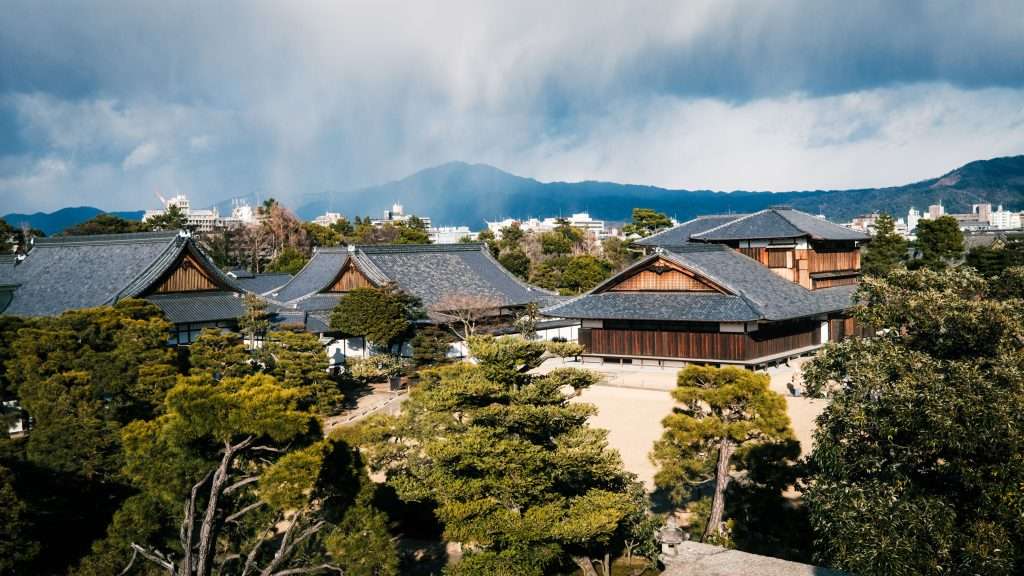
- Nijo Castle (Tokugawa Shogun’s Kyoto residence)
- Sanjusangendo (samurai archery training hall)
- Kiyomizu-dera and Gion’s geisha district
Experience:
Join a samurai etiquette or tea ceremony workshop in Kyoto’s machiya townhouses.
Why Go: The political and spiritual heart of Japan’s classical and samurai eras.
Cultural Experiences to Deepen Your Journey
| Activity | Location | Description |
|---|---|---|
| Samurai Sword Lesson (Iaido/Kenjutsu) | Kyoto, Tokyo | Learn traditional sword forms from licensed instructors |
| Kimono or Armor Experience | Kanazawa, Kamakura | Dress like a samurai or noble for a photoshoot |
| Tea Ceremony & Calligraphy | Kyoto, Kanazawa | Explore the arts refined by the warrior class |
| Historical Ryokan Stay | Tsumago, Takayama | Sleep in Edo-style inns with tatami and local cuisine |
| Edo Cooking Workshop | Tokyo, Kyoto | Cook dishes inspired by samurai-era recipes |
Recommended Samurai & Heritage Tours
| Tour Provider | Specialty | Website |
|---|---|---|
| Musubi Japan | Historical immersion & local storytelling | https://musubijp.com |
| Nippon Bridge | Cultural & historical travel design | https://nipponbridge.com |
| JTB Sunrise Tours | Multi-day history tours & guided castle trips | https://www.japanican.com |
| Otomo Travel | Custom heritage & samurai experiences | https://otomo-travel.com |
| Walk Japan | Nakasendo & samurai trail walking tours | https://walkjapan.com |
Travel Tips
Visit in spring or autumn for the best weather and seasonal scenery.
Check local festival calendars — many towns host samurai reenactments in summer.
Wear comfortable shoes for castle and temple walking routes.
Look for English-speaking volunteer guides at historical districts.
Use regional JR Passes for efficient transport (Tohoku, Kansai, Hokuriku).
Key Takeaways
Samurai and historical tours offer a living connection to Japan’s past.
Top destinations: Kanazawa, Aizu-Wakamatsu, Kamakura, Himeji, Kyoto, and the Nakasendo Trail.
Combine castles, towns, and local crafts for a full cultural journey.
Guided tours and local experiences make history personal and unforgettable.
Call to Action
Ready to explore Japan’s samurai heritage?
Follow and Contact Refer Japan for curated itineraries, expert guides, and stories that bring Japan’s living history to life — from Edo castles to samurai villages.
Disclaimer
Tour schedules, access, and pricing may vary by region or season. Always verify current availability before booking samurai and historical tours.