
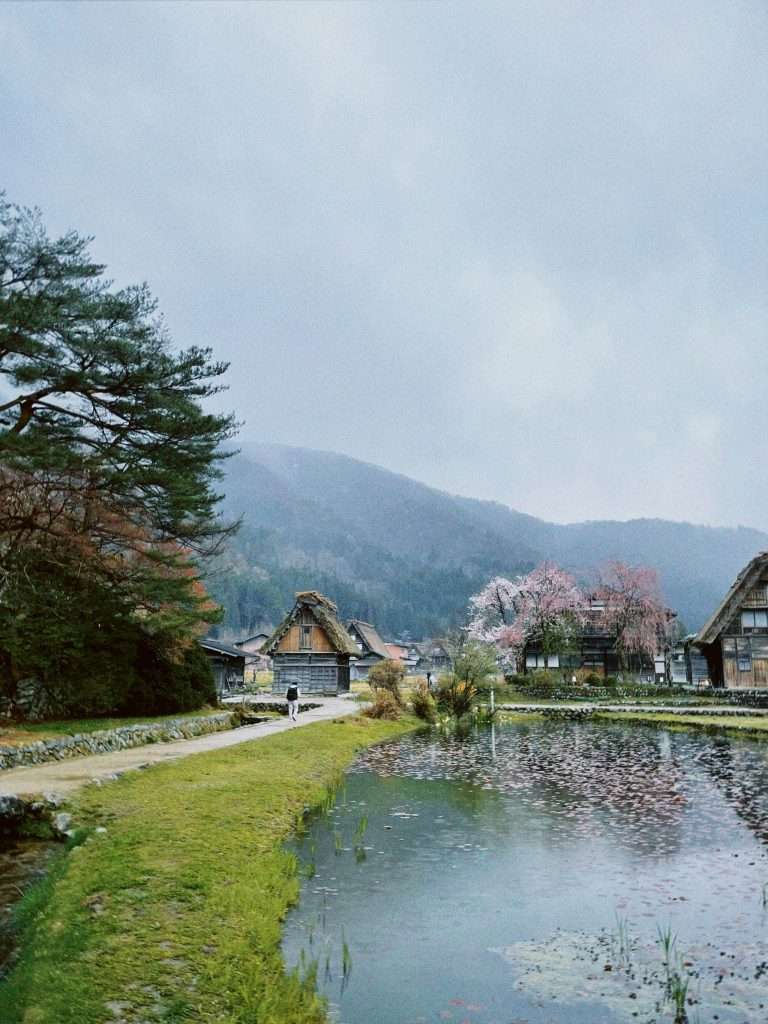
From akiya renovations to tourism, agriculture, and community businesses — here’s how foreigners can start a rural revitalization venture in Japan and make it work.
Japan’s countryside is changing.
With shrinking populations, aging communities, and thousands of abandoned homes (akiya), rural Japan faces real challenges — but also extraordinary opportunities for entrepreneurs willing to build meaningful businesses outside major cities.
From guesthouses and cafés to agriculture, creative studios, and community hubs, rural revitalization businesses are becoming one of the most promising — and supported — ways for foreigners to start a business in Japan.
This guide explains how it works, what support exists, and what to realistically expect.
Covered in This Article
- What rural revitalization means in Japan
- Types of businesses that succeed in rural areas
- Government support, grants, and subsidies
- Visa and legal considerations for foreigners
- Common challenges and how to overcome them
- Realistic advice before taking the leap
What Is “Rural Revitalization” in Japan?
Rural revitalization (地方創生 / chihō sōsei) is a national policy aimed at:
- Reversing population decline
- Reviving local economies
- Preserving culture and landscapes
- Encouraging migration from cities to the countryside
Local governments actively seek:
- New residents
- Business owners
- Families
- Foreign entrepreneurs with long-term commitment
Important: This is not just a trend — it’s a core national strategy supported by funding and policy incentives.
Why Japan’s Countryside Needs Entrepreneurs
Key challenges rural areas face:
- Aging populations (many villages have 40%+ seniors)
- Labor shortages
- Closed shops and schools
- Growing numbers of empty houses (akiya)
For entrepreneurs, this means:
- Low real estate costs
- Less competition
- Strong local government support
- Deep community involvement
Many towns actively court business ideas and will help founders settle.
Types of Rural Revitalization Businesses That Work
1. Akiya Renovation & Accommodation
- Guesthouses / minpaku
- Boutique ryokan
- Artist residences
- Long-stay remote worker housing
Some municipalities sell akiya for ¥0–¥1,000,000 with renovation subsidies.
2. Cafés, Bakeries & Local Food Businesses
- Farm-to-table cafés
- Bakeries using local grains
- Regional cuisine restaurants
- Food processing (jams, miso, sake support businesses)
Tourism + food is one of the strongest combinations.
3. Agriculture & Agri-Tourism
- Organic farming
- Specialty crops (tea, herbs, mushrooms)
- Farm stays
- Experience-based tourism
Japan actively supports new farmers, including foreigners.
4. Creative & Cultural Businesses
- Craft studios
- Traditional arts workshops
- Residency programs
- Cultural experience tourism
Rural Japan values culture preservation and creative reuse.
5. Remote Work Hubs & Co-Living Spaces
- Digital nomad hubs
- IT & design studios
- Training centers
- Regional innovation labs
Many towns now have fiber internet and subsidies for remote work spaces.
Government Support, Grants & Incentives
Japan offers significant financial support for rural businesses.
Common Support Programs
- Startup subsidies (¥500,000–¥3,000,000+)
- Akiya renovation grants
- Relocation incentives (cash, housing, childcare support)
- Low-interest loans via local banks
- Tax incentives in designated regions
Support varies by prefecture and town — some are extremely generous.
Example Incentives (Varies by Area)
| Incentive | Typical Amount |
|---|---|
| Business startup grant | ¥500,000–¥2M |
| Home renovation subsidy | ¥1M–¥3M |
| Relocation support | ¥100,000–¥1M |
| Child incentives | Monthly stipends |
Visa Options for Foreign Entrepreneurs
To run a business in Japan, you’ll typically need:
Business Manager Visa
- Required for operating a company
- Requires:
- Business plan
- Office address
- Capital (often ¥5M, but exceptions exist)
Rural governments sometimes help reduce hurdles.
Startup Visa (Highly Recommended)
Available in select cities and regions:
- Lower initial capital requirements
- 6–12 month preparation period
- Ideal for rural startups
Prefectures actively expanding Startup Visa eligibility.
The Importance of Community Integration
Success in rural Japan is less about money and more about relationships.
Expect:
- Town meetings
- Introductions to neighbors
- Community events
- Shared responsibilities
Key insight: Those who succeed show commitment, not extraction.
Real Challenges to Be Aware Of
This path is rewarding — but not easy.
Common Challenges
- Slow bureaucracy
- Language barriers
- Conservative local decision-making
- Renovation surprises
- Seasonal income swings
Solutions:
- Partner with local supporters
- Hire bilingual consultants
- Start small and scale gradually
- Learn practical Japanese
Who Thrives in Rural Revitalization?
This path suits people who:
- Value lifestyle over speed
- Want community impact
- Enjoy hands-on work
- Are patient and adaptable
- Plan to stay long-term
It is not ideal for:
- Fast-scaling VC startups
- Short-term profit seekers
- Hands-off investors
Key Takeaways
- Japan actively welcomes rural entrepreneurs
- Akiya and low costs lower entry barriers
- Grants and visas make startups feasible
- Community trust is critical
- Long-term commitment leads to success
Call to Action
Thinking about starting a rural business in Japan?
Follow and Contact Refer Japan for guides on visas, real estate, grants, and life beyond Tokyo — and discover how Japan’s countryside could become your next chapter.
Disclaimer
Grants, visa conditions, and incentives vary widely by region and may change. Always confirm with local government offices and professional advisors.