
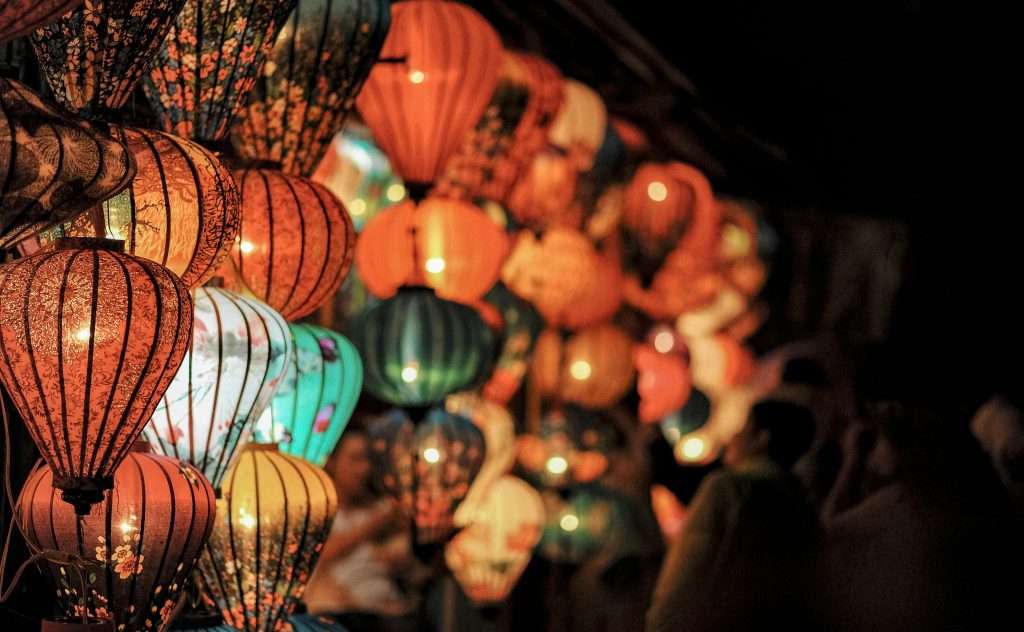
Japan follows the Western calendar for New Year’s, but Lunar New Year is still vibrantly celebrated—especially in Chinatowns and international communities.
Japan officially celebrates New Year on January 1st, but that doesn’t mean the Lunar New Year goes unnoticed.
Across the country—especially in major cities—Lunar New Year is celebrated through colorful festivals, parades, food events, and cultural performances, largely driven by Chinese, Korean, Vietnamese, and other East Asian communities.
For travelers and families visiting Japan in January or February, Lunar New Year offers a lively winter experience that feels very different from Japan’s quiet, traditional New Year period.
Covered in This Article
- Whether Japan celebrates Lunar New Year
- How Lunar New Year differs from Japanese New Year
- Where to experience Lunar New Year festivals
- What events and food to expect
- Tips for travelers and families
Does Japan Celebrate Lunar New Year?
Short answer: Not officially — but culturally, yes.
Japan adopted the Gregorian calendar in 1873, so:
- Japanese New Year (Oshōgatsu) is celebrated January 1–3
- Lunar New Year is not a national holiday
However, Lunar New Year is widely celebrated by:
- Chinese-Japanese communities
- International residents
- Tourism-focused cities
These celebrations are public, festive, and very accessible to visitors.
Lunar New Year vs Japanese New Year
| Japanese New Year | Lunar New Year |
|---|---|
| Jan 1–3 | Late Jan–Feb (varies yearly) |
| Quiet, family-focused | Lively, public festivals |
| Shrines & temples | Parades & performances |
| Traditional foods | Street food & banquets |
Experiencing both highlights Japan’s cultural diversity.
Where to Celebrate Lunar New Year in Japan
Yokohama Chinatown
Event: Spring Festival (Shunsetsu)
Why it’s the best: Japan’s largest and most famous Lunar New Year celebration
Highlights:
- Lion and dragon dances
- Lantern displays
- Street food stalls
- Firecrackers and performances
Often lasts two weeks, not just one day.
Nagasaki Chinatown
Event: Lantern Festival
Known for:
- Thousands of illuminated lanterns
- Evening parades
- Historic atmosphere
One of Japan’s most photogenic winter festivals.
Kobe Nankinmachi
Event: Chinese New Year Festival
Smaller but lively, with:
- Stage performances
- Food stalls
- Family-friendly events
Tokyo (Various Locations)
While Tokyo doesn’t have one central festival, you’ll find:
- Events in Ikebukuro
- Cultural performances at community centers
- Seasonal menus at Chinese restaurants
Food You’ll See During Lunar New Year
Expect festive dishes symbolizing luck and prosperity:
- Dumplings (wealth)
- Long noodles (longevity)
- Fish dishes (abundance)
- Sweets and pastries
Chinatowns are especially vibrant during this time, making Lunar New Year one of the best food seasons to visit them.
Is Lunar New Year Family-Friendly in Japan?
Yes — very much so.
Most events feature:
- Daytime parades
- Performances for kids
- Food stalls
- Cultural workshops
Compared to some overseas celebrations, Japanese Lunar New Year events are generally organized, safe, and easy to navigate with children.
Cultural Notes for Visitors
- You don’t need special tickets — most events are free
- Crowds peak on weekends
- Red clothing is common but not required
- Photography is welcome (be respectful)
- Events often last multiple days
Lunar New Year as a Winter Travel Highlight
For winter visitors, Lunar New Year offers:
- Colorful outdoor events
- Warm street food
- Cultural energy during a quiet season
- A contrast to Japan’s calm New Year period
It’s an ideal time to explore cities like Yokohama, Nagasaki, and Kobe.
Key Takeaways
- Japan does not officially observe Lunar New Year
- Major celebrations happen in Chinatowns and cities
- Yokohama and Nagasaki host the largest festivals
- Events are vibrant, public, and family-friendly
- A great cultural experience for winter travelers
Call to Action
Visiting Japan in winter or raising a family here?
Follow and Contact Refer Japan for seasonal event guides, cultural insights, and travel tips that help you experience Japan beyond the basics.
Disclaimer
Festival dates and programs vary yearly according to the lunar calendar. Always check official event announcements before attending.