
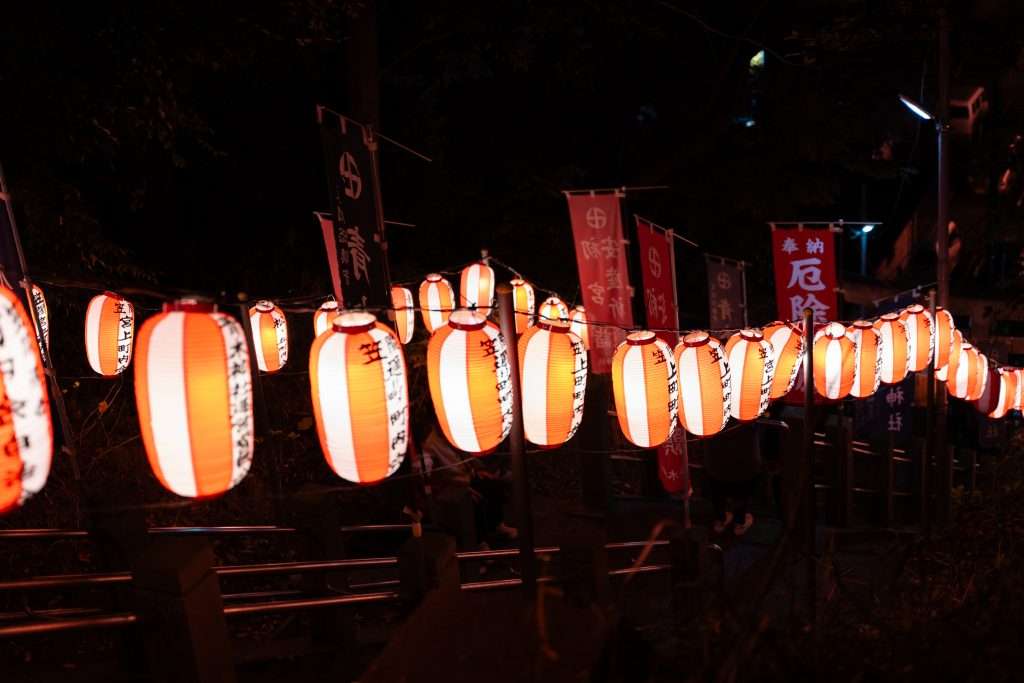
Discover the Japanese tradition of Hatsumode: New Year’s first shrine or temple visit to pray for happiness, health, and prosperity for the new year in japan.
Covered in this Article
- What is Hatsumode?
- When does it happen?
- Activities during Hatsumode
- Meaning and symbolism
- How to celebrate as a visitor
- Other New Year traditions in Japan
Introduction
Every January, millions of people across Japan begin the year by visiting a Shinto shrine or Buddhist temple for a tradition known as Hatsumode (初詣).
More than just a spiritual act, Hatsumode is a moment of reflection and renewal—an opportunity to give thanks for the past year and to pray for happiness, health, and success in the year ahead.
If you’re in Japan during the New Year, this is one of the most meaningful and authentic cultural experiences you can take part in.
What Is Hatsumode?
Hatsumode (初詣) literally means “first (初) visit to pray (詣).”
It refers to the first shrine or temple visit of the Japanese New Year, typically made during the first three days of January.
During Hatsumode, people:
- Offer coins and bow in prayer
- Purchase lucky charms (omamori)
- Draw fortunes (omikuji)
- Write wishes on wooden plaques (ema)
- Collect temple seals (goshuin)
It’s both a personal and communal act—families, couples, and friends often visit together, dressed warmly for the winter season.
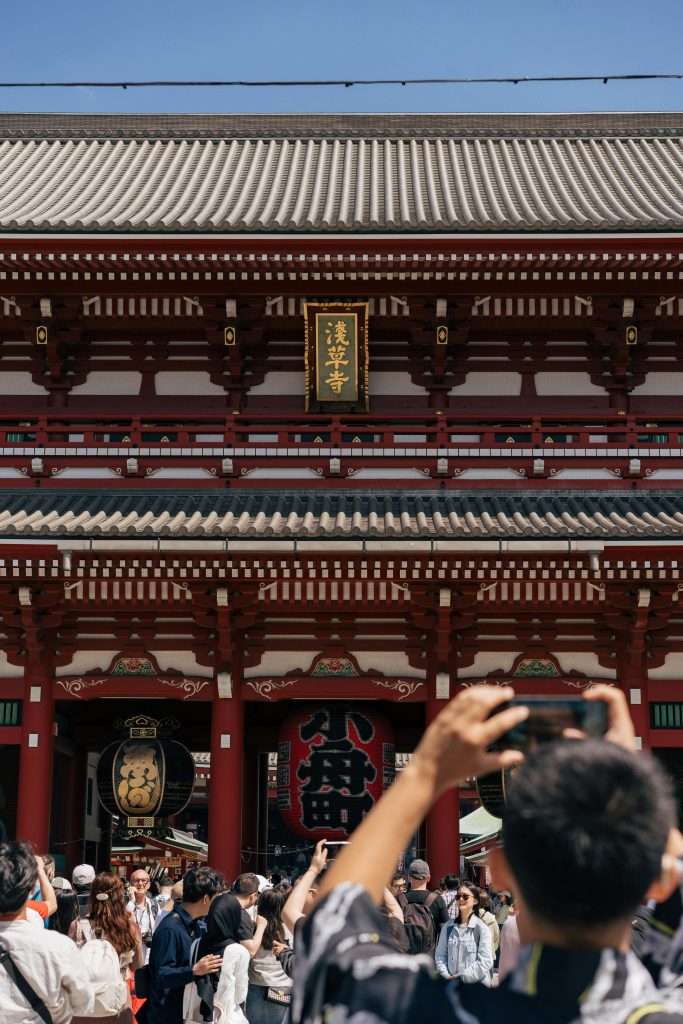
When It Happens
Main dates: January 1st–3rd (known as Sanganichi)
Ideal period: Until around January 7th in Kanto, or January 15th in Kansai (the Matsunouchi period)
Many people go right after midnight on January 1st, while others prefer quieter visits later in the week.
Tip: Major shrines like Meiji Jingu (Tokyo) or Fushimi Inari Taisha (Kyoto) can receive millions of visitors during this time, so if you want to visit these shrines, try going in the early morning or evening (or go to a smaller, more local shrine!).
Activities During Hatsumode
| Activity | Description |
|---|---|
| Pray | Offer thanks for the past year and pray for good fortune, health, and prosperity. |
| Buy Amulets (Omamori) | Each omamori protects a specific aspect of life—health, studies, love, or safety. |
| Draw a Fortune (Omikuji) | Randomly draw a paper strip to reveal your luck for the year. If unlucky, tie it to a shrine tree to leave the bad luck behind. |
| Write a Wish (Ema) | Write your hopes for the year on a wooden plaque and hang it at the shrine. |
| Get a Temple Seal (Goshuin) | Collect a calligraphy-style stamp unique to each shrine or temple – placed in a special goshuin book. |
| Observe Zodiac Symbols | Each year’s zodiac animal (the animal for 2026 is the horse!) features in decorations and charms. |
The Meaning Behind Hatsumode
Hatsumode represents a spiritual fresh start—a way to clear away past worries and begin the new year with gratitude and hope.
It’s also deeply social: a time for family gatherings, local community connection, and quiet introspection before the busy year begins.
Other New Year Traditions in Japan
The New Year season in Japan, known as Shogatsu (正月), is full of symbolic customs that reflect renewal and harmony:
New Year’s Eve (Ōmisoka – 大晦日)
- Joya no Kane (除夜の鐘): Buddhist temples ring their bells 108 times at midnight to cleanse the soul of worldly desires.
- Toshikoshi Soba (年越しそば): People eat buckwheat noodles before midnight to symbolize long life and a smooth transition to the new year.
- Countdowns: Modern celebrations include countdown events like those at Shibuya Crossing in Tokyo.
New Year’s Day (Gantan – 元旦)
- Hatsumode: First shrine or temple visit of the year.
- Hatsu-Hinode (初日の出): Viewing the first sunrise of the year, believed to bring luck.
- Osechi-Ryori (おせち料理): Beautifully arranged dishes eaten with family; each food symbolizes fortune, health, or happiness. For example, kuromame represent good health, dried persimmon brings a long life, and kohaku kamaboko represent the first sunrise.
- Otoshidama (お年玉): Children receive decorated envelopes with money as New Year gifts.
Extended Celebrations
- Sanganichi (三が日): The official first three days of the New Year.
- Matsunouchi (松の内): Period of New Year decorations and festivities (until Jan. 7 in Kanto, Jan. 15 in Kansai).
Tips for Enjoying Hatsumode as a Visitor
- Visit in the early morning or late evening to avoid large crowds.
- Bring small coins (typically ¥5 or ¥50) for offerings.
- Dress warmly—January is cold in Japan.
- Follow local customs: bow twice, clap twice, then bow once after offering your prayer.
- Try omikuji and ema—they make great souvenirs with meaning.
- Combine your visit with a local food stall or festival nearby.
Popular Hatsumode Spots in Tokyo
- Meiji Jingu Shrine (Shibuya): Tokyo’s largest and most famous Hatsumode site.
- Senso-ji Temple (Asakusa): Tokyo’s oldest temple, with festive stalls and traditional charm.
- Kanda Myojin (Chiyoda): Popular for tech and business blessings.
- Hie Shrine (Akasaka): Known for its torii tunnel and peaceful setting.
- Nezu Shrine (Bunkyo): Beautifully lit and less crowded.
Conclusion
Hatsumode is more than a tradition—it’s a reflection of Japan’s deep appreciation for gratitude, renewal, and harmony.
Whether you join the midnight crowd at Meiji Jingu or quietly visit a neighborhood shrine, it’s a moment to pause, reflect, and begin again with purpose.
Start your year the Japanese way—with a prayer, a wish, and an open heart.
Call to Action
Planning to spend New Year in Japan?
Check shrine opening times, dress warmly, and join locals in celebrating Hatsumode to experience one of Japan’s most cherished cultural traditions.
Want local guidance to make the best of your New Years’ in Japan? Reach out to us at Refer Japan!
Disclaimer
Information about shrine events and timings may vary by region or year. Always check local schedules and public transport updates before attending.