

Discover Japan one bite at a time — from Hokkaido’s seafood markets to Osaka’s street food alleys and Kyushu’s ramen routes.
Covered in this Article
- Why culinary travel defines Japan
- The most famous regional food routes
- Hands-on food experiences across Japan
- Sake and tea trails worth exploring
- Recommended food tour operators for 2026
Introduction
In Japan, food isn’t just sustenance — it’s a story of place, climate, and tradition.
From the buttery crab of Hokkaido to the sizzling okonomiyaki of Hiroshima, every region has dishes that reflect its people, produce, and history.
As Japan’s tourism focus shifts toward slow, experiential travel, culinary trails have become one of the most rewarding ways to explore the country — connecting travelers with chefs, farmers, and local artisans.
Whether you’re a ramen hunter, sushi lover, or sake explorer, this guide to Japan’s regional food journeys will whet your appetite for 2026.
The Spirit of Culinary Travel in Japan
Culinary travel, or “tabearuki tourism” (食べ歩きツーリズム), encourages visitors to walk, taste, and connect locally.
Each area highlights:
- A signature dish or cooking method
- Local ingredients — from sea to mountain
- Hospitality traditions, like sake toasts and omotenashi service
Cultural Note: Japan’s washoku (和食) — traditional cuisine — is recognized by UNESCO as an Intangible Cultural Heritage for its balance and respect for nature’s seasons.
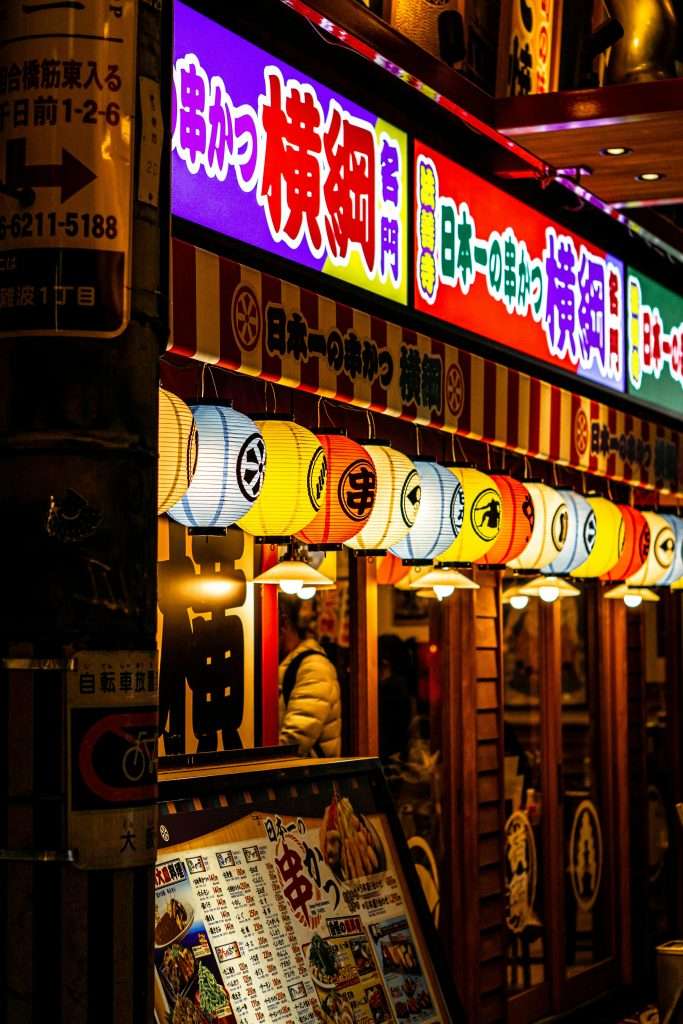
Japan’s Best Culinary Trails by Region
1. Hokkaido — The Gourmet Frontier
Highlights:
- Fresh seafood: crab, uni (sea urchin), scallops
- Dairy products: soft serve, butter, cheese
- Miso ramen (Sapporo), soup curry (Sapporo), and jingisukan (grilled lamb)
Trail Idea:
Start at Sapporo’s Nijo Market, visit Otaru for sushi, and end in Hakodate for morning seafood donburi.
Experience: Take a farm-to-table dairy workshop in Biei or a sake-tasting tour in Otaru.
2. Tohoku — Comfort Food & Mountain Harvests
Highlights:
- Kiritanpo (Akita rice skewers)
- Hittsumi soup (Iwate)
- Fresh river fish and seasonal mountain vegetables
Trail Idea:
Follow the Tohoku Sake Trail through Fukushima, Miyagi, and Iwate — known for clean water and artisanal breweries.
Experience: Visit a samurai-era brewery in Aizu-Wakamatsu or join a miso-making workshop.
3. Kanto — Tokyo Street Food to Yokohama Ramen
Highlights:
- Monjayaki (Tokyo’s savory pancake)
- Edo-style sushi
- Yokohama Iekei ramen
Trail Idea:
Walk through Tsukiji Outer Market, snack through Ameyoko Street (Ueno), and finish in Yokohama’s Chinatown.
Experience: Join a sushi-making class or take a guided Tokyo food tour with a local expert.
4. Kansai — Japan’s Kitchen
Highlights:
- Osaka: takoyaki (octopus balls), okonomiyaki (savory pancake)
- Kyoto: kaiseki ryori (seasonal haute cuisine), matcha sweets
- Kobe: wagyu beef and sake
Trail Idea:
Start in Kyoto’s Nishiki Market, travel to Osaka’s Dotonbori Street, then relax in Kobe’s sake breweries.
Experience: Join a Kyoto tea ceremony or learn traditional wagashi (Japanese sweets) making.
5. Chugoku & Shikoku — Island Flavors
Highlights:
- Hiroshima-style okonomiyaki
- Sanuki udon (Kagawa)
- Citrus-based cuisine from Ehime
Trail Idea:
Take the Setouchi Gourmet Route — ferry hopping between islands for seafood, udon, and lemon-infused dishes.
Experience: Learn to make handmade udon noodles in Takamatsu.
6. Kyushu — Ramen & Hot Spring Dining
Highlights:
- Hakata ramen (pork broth)
- Karashi mentaiko (spicy cod roe)
- Shochu (distilled liquor) and hot spring cuisine
Trail Idea:
Follow the Kyushu Ramen Road — Fukuoka to Kumamoto to Kagoshima — sampling different tonkotsu styles.
Experience: Enjoy an onsen ryokan meal in Beppu or Yufuin — where multi-course kaiseki meets natural hot spring dining.
7. Okinawa — Island Fusion Cuisine
Highlights:
- Goya champuru (bitter melon stir fry)
- Okinawa soba
- Awamori (rice liquor)
Trail Idea:
Visit Naha’s Makishi Market, then tour local Awamori distilleries.
Experience: Join a cooking class with Okinawan grandmothers — preserving the Ryukyu food heritage.
Sake & Tea Trails
Japan’s most beloved beverages have their own dedicated routes:
| Trail | Region | Highlights |
|---|---|---|
| Sake Trail | Niigata, Hiroshima, Hyogo | Brewery tours & tastings |
| Green Tea Trail | Shizuoka, Uji (Kyoto) | Tea plantation walks & tastings |
| Shochu Trail | Kyushu | Distillery visits & pairing dinners |
Cultural Tip: Many sake breweries now have English tours and “kikizake” tastings, where you learn to distinguish flavors like wine.
Hands-On Culinary Experiences
| Experience | Location | Description |
|---|---|---|
| Sushi-Making Workshop | Tokyo, Osaka | Learn techniques from professional chefs |
| Farm Stay & Cooking | Nagano, Hokkaido | Cook using local ingredients with farmers |
| Sake Brewing Tour | Niigata, Hyogo | Visit breweries and learn sake craftsmanship |
| Udon & Soba Classes | Kagawa, Nagano | Hand-roll noodles from scratch |
| Vegan Washoku Workshop | Kyoto | Explore plant-based Japanese cuisine |
Recommended Culinary Tour Operators
| Operator | Specialty | Website |
|---|---|---|
| Arigato Japan | Guided food walks & tastings | https://arigatojapan.co.jp |
| Musubi Japan | Regional culinary experiences | https://musubi-japan.org |
| Nippon Bridge | Cultural & gourmet travel design | https://nipponbridge.com |
| Walk Japan | Rural & food-themed walking tours | https://walkjapan.com |
| Japan Wonder Travel | Sake & street food tours | https://japanwondertravel.com |
Key Takeaways
Culinary trails reveal Japan’s regional identity through flavor and hospitality.
Each region has signature dishes — from Hokkaido seafood to Kyushu ramen.
Combine food experiences with local culture, farms, and sake routes.
Book small-group or local-led tours for authentic, sustainable experiences.
Call to Action
Hungry for adventure?
Contact Refer Japan for regional travel guides, food experiences, and curated culinary trails itineraries that take you beyond restaurants — into the heart of Japan’s kitchens.
Disclaimer
Availability of tours and workshops may vary seasonally. Always check local providers for schedules, prices, and dietary accommodations.