
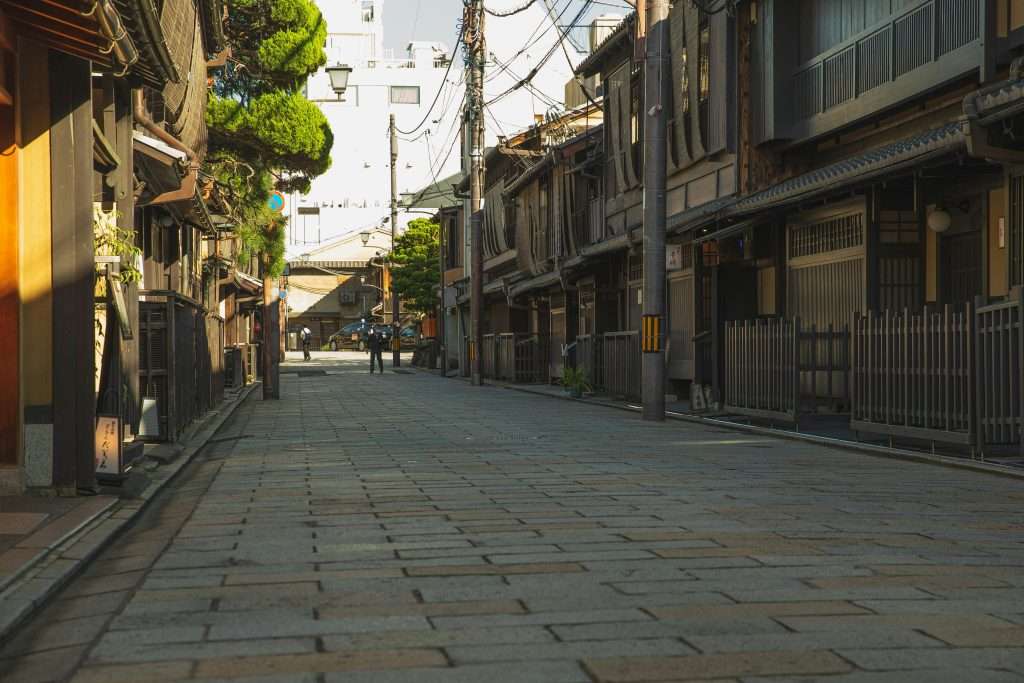
Why Compare Tokyo and Osaka for Real Estate Investment?
Tokyo and Osaka are Japan’s two economic powerhouses and both are prime targets for domestic and international real estate investors. But which city is truly better for real estate investment?
Whether you’re a first-time buyer, long-term investor, or planning to move to Japan, understanding the pros and cons of each city can make or break your real estate journey.
Real estate in Japan offers:
- Stable legal framework
- High rental demand
- Transparent ownership laws (even for foreigners)
- Relatively affordable urban properties compared to other G7 nations
But Tokyo and Osaka offer very different experiences, costs, and ROI.
Tokyo Real Estate Investment: Overview
Tokyo, Japan’s capital, is one of the world’s largest metropolitan areas. It’s a global finance hub, with consistent population growth and sky-high demand for housing.
Key Advantages:
- Strongest rental demand in Japan
- High liquidity — properties sell fast
- Prestige location — ideal for high-end condos and apartments
- Job hub — drives continuous domestic migration
Popular Investment Areas:
- Shibuya (trendy, youth-oriented)
- Minato (expat-friendly, luxury)
- Taito and Sumida (lower entry costs, tourist draw)
- Koto (redevelopment and Olympics legacy)
Challenges:
- High purchase prices
- Lower rental yield (approx. 3–4%)
- Competition with institutional investors
- Smaller spaces = higher cost per m²
Example: A 25m² studio in Minato-ku may cost ¥30–35 million ($200–240k) but only yield ¥100,000/month in rent—just over 4% before expenses.
Osaka Real Estate Investment: Overview
Osaka, Japan’s third-largest city, is known for its business friendliness, down-to-earth culture, and slightly looser zoning regulations.
Key Advantages:
- Higher rental yields (5–7% in many areas)
- Lower property prices than Tokyo
- Tourism hub — strong short-term rental opportunities
- Urban redevelopment around Umeda, Shin-Osaka, Namba
Popular Investment Areas:
- Namba & Shinsaibashi (tourist meccas)
- Fukushima (up-and-coming business zone)
- Tennoji (good price-to-rent ratio)
- Shin-Osaka (Shinkansen access, business travelers)
Challenges:
- Slower property appreciation
- Local tenant preference can favor owners with Japanese language fluency
- More volatility in tourism zones (especially during global events)
Example: A 1-bedroom unit in Tennoji might cost ¥18 million ($120k) and rent for ¥85,000/month—a yield of 5.7% before costs.
Investment Comparison: Key Metrics
| Metric | Tokyo | Osaka |
|---|---|---|
| Avg. Gross Yield | 3–4.5% | 5–7% |
| Entry Price (1BR) | ¥25–45 million | ¥12–25 million |
| Capital Appreciation | Moderate–High | Low–Moderate |
| Short-term Rental Viability | Limited (tight regulation) | High (especially in tourist areas) |
| Population Growth | Steady (esp. 20s-30s) | Stable/flat |
| Liquidity (ease of resale) | Very High | Moderate |
Foreign Investor Considerations
You can buy property in Japan as a foreigner:
- No restrictions on ownership
- No residency requirement
- 100% freehold available
What You’ll Need:
- A Japanese bank account (for mortgage or rental income)
- A real estate agent experienced with foreigners
- Basic Japanese (or a translator) for paperwork
- Up to 20% in transaction costs (agent fees, taxes, insurance)
Taxes to Know:
- Acquisition tax (3–4%)
- Annual fixed asset tax (1.4%)
- Rental income tax if generating income
Case Studies: Tokyo vs. Osaka in Action
1. Tokyo Expat Landlord: “Safe and Steady”
Mark, a UK expat in Tokyo, bought a 1LDK in Koto-ku. Though the rent yield is just 3.8%, he enjoys stable tenants, strong resale prospects, and a thriving local community. “Low risk, low stress,” he says.
2. Osaka Airbnb Operator: “More Income, More Work”
Sandra from Australia owns three studio units in Namba for short-term rentals. Her yields are around 7%, but she invests in a local management company. “Great profit, but not passive,” she says.
Action Steps: How to Start Your Real Estate Journey in Japan
1. Do Your Research
- Use platforms like RealEstate Japan and Ken Corporation
- Talk to local agents with bilingual support
2. Decide on Your Investment Style
- Passive income? → Consider Tokyo.
- High yield/short-term rental? → Osaka is ideal.
3. Book a Consultation
Whether you’re just getting started or ready to invest, our Japan-based advisors can help you choose the right area, avoid common pitfalls, and handle all paperwork.
Contact our team today for expert guidance and insider advice on investing in Japanese real estate.
Summary: Tokyo vs. Osaka – Which Should You Choose?
- Choose Tokyo if you want low-risk, long-term capital growth in Japan’s most stable market.
- Choose Osaka if you’re chasing higher rental yields and tourism-based opportunities.
Both cities offer excellent options—it all depends on your goals.
Have questions about Japanese real estate?
Contact us to start your investment journey in Japan with clarity and confidence.
Disclaimer
This article is for informational purposes only and does not constitute financial or legal advice. Always consult with a licensed professional before making investment decisions.