

Join us for the Tokyo Marathon 2026, a global event that encapsulates elite competition, social inclusion, and Tokyo’s vibrant energy. Whether you’re visiting, relocating, or building a business here, this race is more than sport—it’s a window into Japan’s international spirit and local culture.
Covered in This Article
- What you will learn
- Key concepts explained with real-world race details
- Tips for spectators, runners and visitors
- What to be aware of before and during race day
- Stories from 2025 pave the way for 2026
- Action steps for making the most of Tokyo Marathon 2026
What You Will Learn
By the end, you’ll understand:
- Why Tokyo Marathon 2026 matters—elite, inclusive and cultural dimensions
- How elite, general, non-binary and wheelchair divisions work
- How charity and Duo Teams reflect Tokyo’s social values
- What to expect at the EXPO, along the course, and at the finish
- How to plan your attendance or even participation
Key Concepts with Real-World Details
1. Elite Platinum Status & Athlete Breakthroughs
Tokyo Marathon is an Elite Platinum Label Marathon under World Athletics, with top contenders qualifying in December. In 2025, Tadese Takele (2:03:23) and Sutume Kebede (2:16:31) won the elite divisions!
2. Non-Binary Inclusion
Continuing its inclusivity path, Tokyo Marathon offers a General division non-binary category, with gender-neutral restrooms and check-ins. Prize money isn’t available yet, but the platform for inclusion grows as the country hopes to further accept those with LGBTQ+ identities.
3. Duo Teams & Wheelchair Participation
New to the race in 2025, Duo Teams now allow disabled athletes to run with a partner, allowing them to share the experience. Wheelchair divisions (male, female, non-binary) are supported with Elite-level competition.
4. Charity & Sustainability
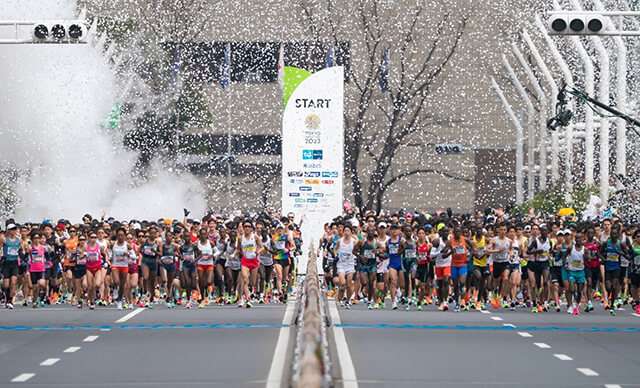
With a 38,500-runner field and strong charity presence, Tokyo Marathon combines competition with social responsibility. EXPO and on-course stations reflect sustainability goals, with renewable resources utilized to provide rest areas for the athletes on their run.
Practical Insights for Participants & Spectators
Registration & Entry
- General entry begins via lottery in Aug 2025.
- Elite and wheelchair athletes must apply by December.
- General division (19+, 6.5-hour finish threshold) now includes non-binary athletes.
Spectator Experience
- Course highlights: Tokyo Marathon’s race path features iconic sites such as the Government Building, Asakusa, Ginza, Yoshinobashi, and Tokyo Station.
- Race day: Marathon starts 9:10 AM, wheelchair at 9:05. Aim for viewpoints at 10 km, 21 km, finish between noon and 4 PM.
EXPO & Cultural Access
- Held days before race, this event is full of sports brands, tech demos, and lectures.
- Offers volunteer and charity insights – ideal for business travelers or investors.
What to Watch Out For
- Cut-off time: 7-hour marathon limit; wheelchair 2h10min.
- Facilities: New non-binary areas may have queues; plan early.
- Transit crowding: Tokyo Station is packed on race day—arrive early to avoid getting lost in a crowd.
- Weather & hydration: March can be chilly morning to warm afternoon; dress in layers.
Actionable Takeaways
- Plan your travel: Race will be held March 1, 2026. Register for the lottery in Aug–Sept 2025. Elites by Dec 2025.
- Be a spectator: Arrive early, choose scenic checkpoints, and visit the Expo.
- Support or participate: Charity and Duo Teams offer unique entry paths.
- Experience culture: Combine the marathon with exploring Tokyo’s dining, temples, and technology showcases.
- Need guidance? Contact our local experts for personalized travel, running, or investment advice in Japan.
Disclaimer: The Tokyo Marathon 2026 schedule and categories are subject to change. Confirm details on the official Tokyo Marathon website.