
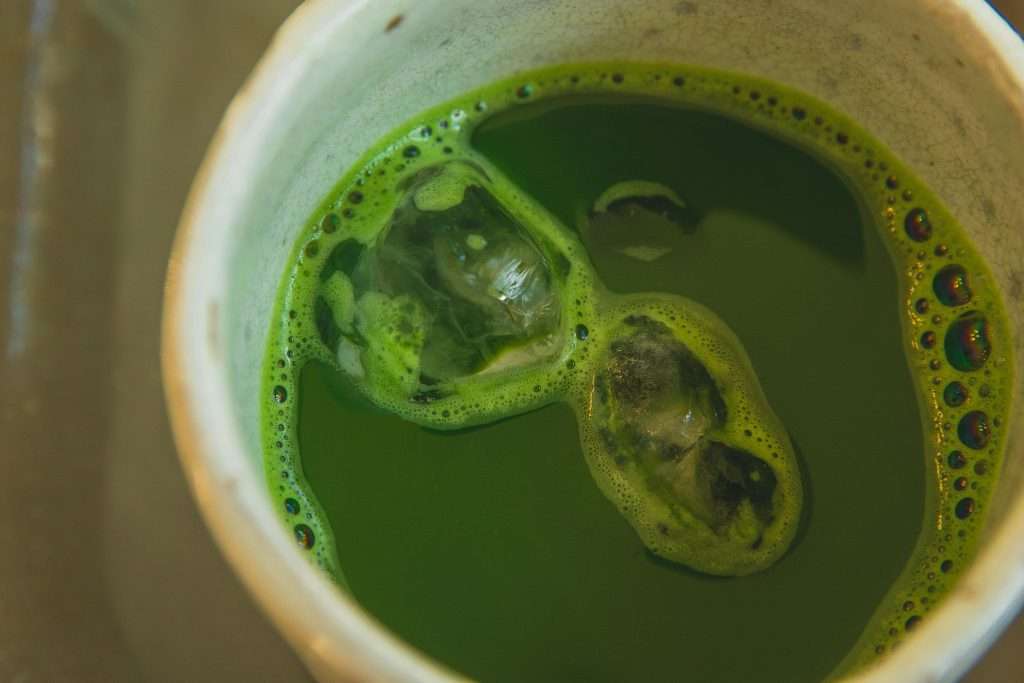
Journey through Japan’s historic tea regions — from Kyoto’s matcha farms to Shizuoka’s mountain plantations — and discover the rituals, flavors, and mindfulness of Japanese tea.
Covered in this Article
- Japan’s tea culture and philosophy
- Key tea regions and scenic plantations
- Tea types: matcha, sencha, and more
- Tea experiences: ceremonies, tastings, and workshops
- Recommended tea tour routes and providers
Introduction
In Japan, tea is not merely a beverage — it is a philosophy of balance, respect, and mindfulness.
From the meditative stillness of the tea ceremony to the rolling green tea fields of Shizuoka and Uji, Japanese tea culture invites travelers to slow down and savor life, one cup at a time.
The Tea Trails of Japan connect historic tea-growing regions, master artisans, and traditional tea houses — offering an immersive look at how the spirit of wa-kei-sei-jaku (harmony, respect, purity, tranquility) still shapes daily life in modern Japan.
The Essence of Japanese Tea Culture
Tea arrived in Japan from China over 1,200 years ago with Buddhist monks. By the 15th century, the tea ceremony (chanoyu) evolved into a spiritual art form under tea masters like Sen no Rikyū.
Today, tea remains central to hospitality and meditation — an art that connects nature, craft, and community.
Cultural Insight: The way tea is prepared and served reflects omotenashi (おもてなし) — Japan’s philosophy of sincere, anticipatory hospitality.
Types of Japanese Tea
| Type | Description | Flavor Profile |
|---|---|---|
| Matcha (抹茶) | Stone-ground powdered green tea used in tea ceremonies | Rich, creamy, umami |
| Sencha (煎茶) | The most common daily green tea | Bright, grassy, refreshing |
| Gyokuro (玉露) | Shade-grown premium tea | Sweet, smooth, low bitterness |
| Hōjicha (焙じ茶) | Roasted green tea | Smoky, nutty, aromatic |
| Genmaicha (玄米茶) | Tea blended with roasted rice | Toasty, mild, comforting |
| Bancha (番茶) | Everyday coarse-leaf tea | Earthy, casual flavor |
Tip: Visit tea cafés that offer flight tastings to compare the flavor balance of shade-grown vs. sun-grown teas.
Japan’s Tea Regions & Trails
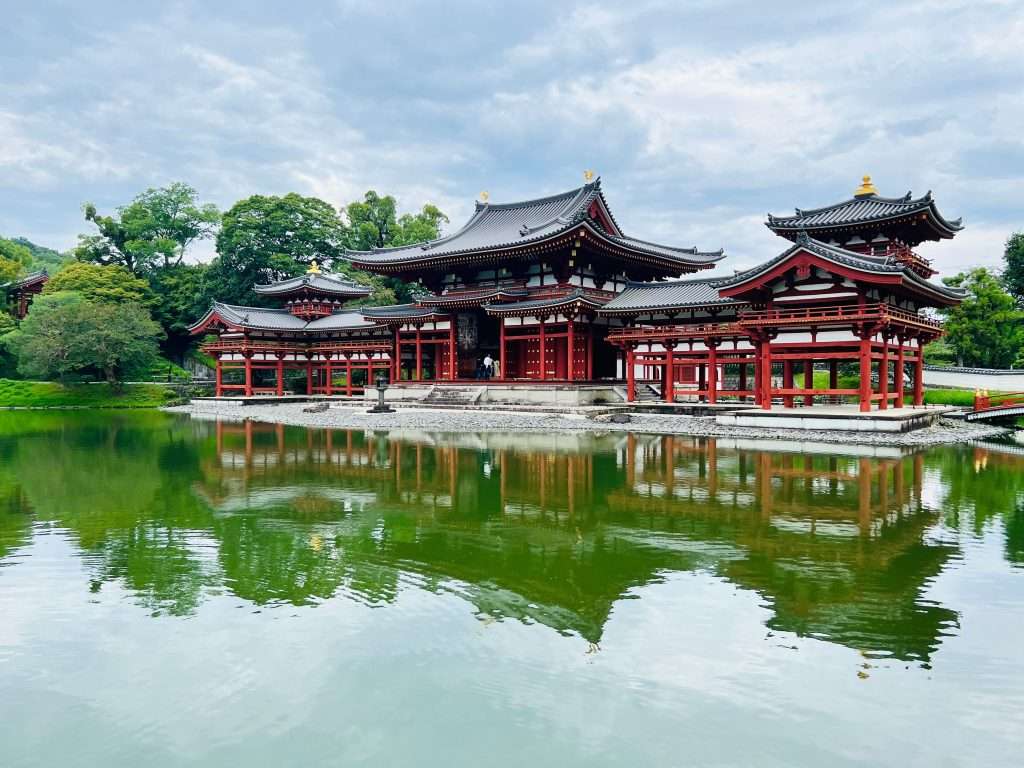
1. Uji (Kyoto Prefecture) — The Birthplace of Matcha
Highlights:
- Japan’s oldest and most famous matcha region
- Historic tea houses near Byōdō-in Temple
- Home to legendary tea brands like Ippodo and Tsuen
Trail Idea:
Stroll along Uji River, tour a local tea farm, and join a traditional Urasenke-style tea ceremony.
Experience: Learn to whisk matcha with a chasen (bamboo whisk) under a certified tea master.
Best For: Cultural travelers and matcha enthusiasts.
2. Shizuoka — Japan’s Green Tea Heartland
Highlights:
- Produces over 40% of Japan’s green tea
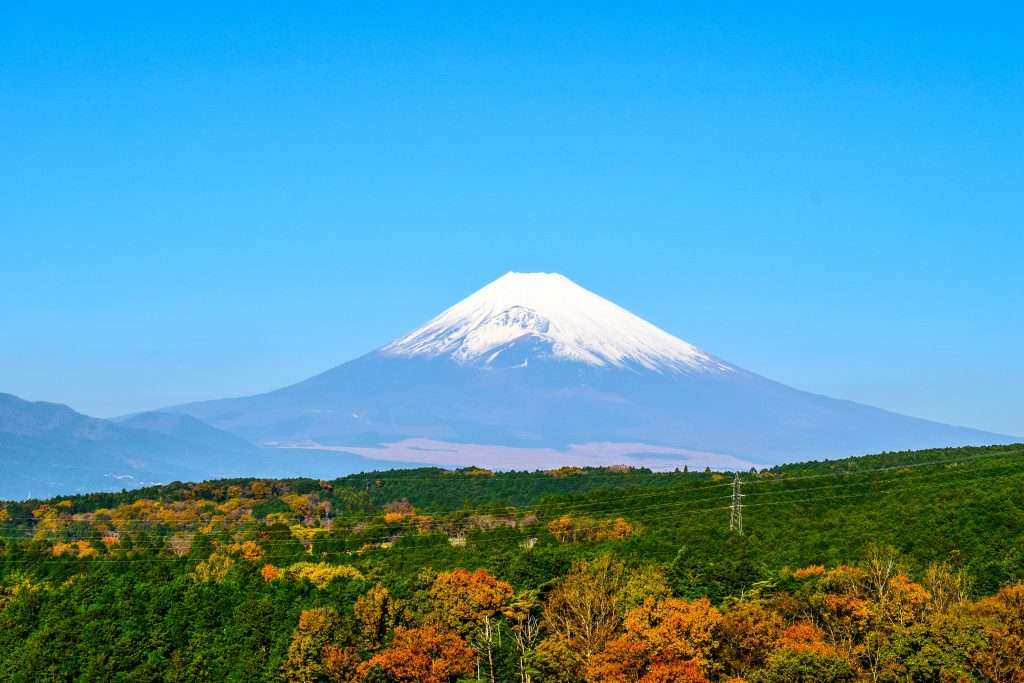
- Tea plantations with views of Mt. Fuji
- Easily accessible from Tokyo by Shinkansen
Trail Idea:
Take the Shizuoka Tea Road — visit the Nihondaira Tea Terrace, the Tea Museum of Shizuoka, and experience hand-picking at local farms.
Experience: Try the “tea field picnic” experience — drink fresh-brewed sencha overlooking terraced hills.
Best For: Families and photographers.
3. Kagoshima — The Southern Tea Paradise
Highlights:
- Japan’s second-largest tea-producing region
- Volcanic soil gives unique mineral-rich flavor
- Focus on organic and small-scale farms
Trail Idea:
Explore Chiran Tea Gardens, visit local farmers, and sample rare teas like Asatsuyu and Saemidori.
Experience: Visit in early May to join the first-harvest (shincha) festival.
Best For: Eco-tourists and serious tea connoisseurs.
4. Wazuka (Kyoto) — Tea Fields in the Mountains
Highlights:
- Uji’s lesser-known countryside sister
- 800+ years of tea farming
- UNESCO-listed “Heritage Tea Landscape”
Trail Idea:
Join a bike or walking tour through Wazuka’s terraced tea hills. Visit small farms and meet growers practicing sustainable farming.
Experience: Stay overnight in a tea farm guesthouse and help hand-roll fresh tea leaves.
Best For: Slow travelers and photographers.
5. Sayama (Saitama Prefecture) — Tokyo’s Local Tea Region
Highlights:
- Northern Tokyo tea area known for strong flavor
- Sayama Tea Festival (May)
- Easy day trip from Tokyo
Trail Idea:
Visit Sayama Tea Farm Park or join a tea and wagashi pairing class in Kawagoe.
Experience: Learn how to brew sencha properly from local experts.
Best For: Day-trippers from Tokyo.
Tea Experiences Across Japan
| Experience | Location | Description |
|---|---|---|
| Tea Ceremony Workshop | Kyoto, Tokyo | Learn formal etiquette and tea philosophy |
| Tea Farm Tour & Tasting | Shizuoka, Wazuka | Visit plantations and sample fresh leaves |
| Matcha-Making Class | Uji, Nara | Grind, whisk, and drink your own matcha |
| Tea & Zen Meditation | Kamakura, Kyoto | Pair tea rituals with mindfulness sessions |
| Tea Pairing Dinner | Kyoto, Tokyo | Multi-course meal with tea-based pairings |
Pro Tip: Many workshops offer bilingual instruction — book through Airbnb Experiences, Nippon Bridge, or Musubi Japan for English-friendly hosts.
The Spiritual Side of Tea
The tea ceremony embodies wabi-sabi — finding beauty in simplicity and imperfection.
Every motion, from bowing to pouring water, is an act of mindfulness.
As Sen no Rikyū taught:
“The way of tea is simply to boil water, make tea, and drink it.”
Yet within that simplicity lies a lifetime of practice — and a window into Japan’s soul.
Recommended Tea Tour Providers
| Operator | Specialty | Website |
|---|---|---|
| Musubi Japan | Tea culture & farm experiences | https://musubijp.com |
| Nippon Bridge | Cultural and regional tea routes | https://nipponbridge.com |
| Arigato Japan | Tea & sweets pairing tours | https://arigatojapan.co.jp |
| Japan Wonder Travel | Kyoto tea ceremony & tasting tours | https://japanwondertravel.com |
| Walk Japan | Tea heritage walking routes | https://walkjapan.com |
Key Takeaways
Tea trails reveal Japan’s harmony between nature, craft, and mindfulness.
Top regions: Uji, Shizuoka, Wazuka, Kagoshima, and Sayama.
Try matcha, sencha, and gyokuro — each reflects its region’s water, soil, and culture.
Combine tea tastings with Zen, cooking, or craft workshops for a holistic experience.
Call to Action
Ready to sip Japan’s serenity?
Follow and Contact Refer Japan for curated tea trails, matcha experiences, and immersive travel stories connecting Japan’s culture, taste, and tradition.
Disclaimer
Tea experiences and farm tours may require advance booking. Availability and pricing vary by season and region.