
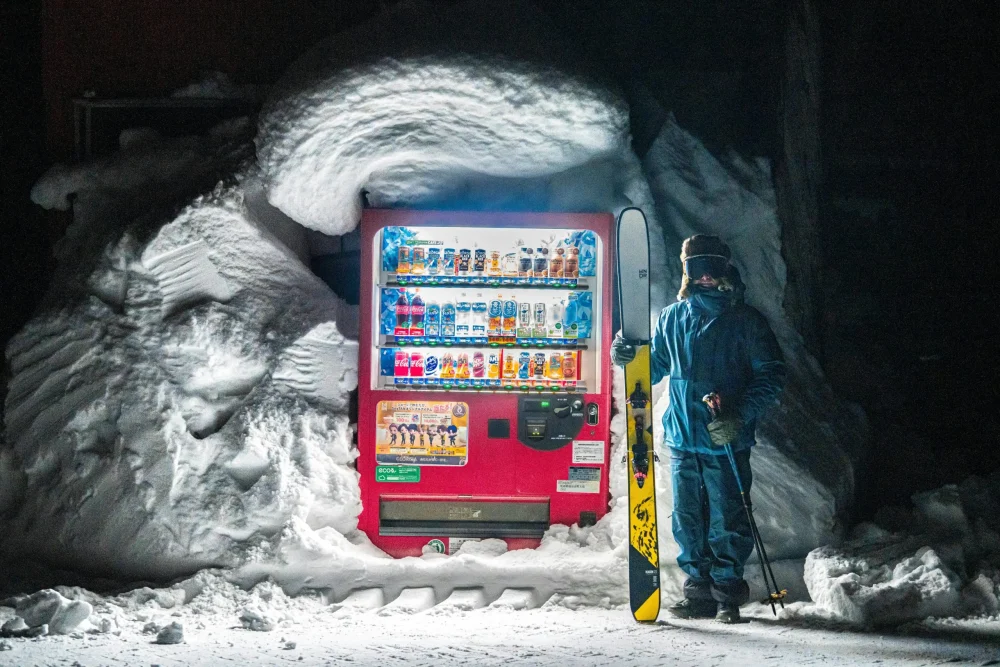
What You Will Learn in This Article:
- The best mountains and ski resorts in Japan
- What to pack and how to prepare for skiing in Japan
- How skiing in Japan differs from other countries
- Recommended hotels near popular ski areas
- When to go: Best times to visit for snow
- Real tips, cultural etiquette, and action steps
Why Skiing in Japan Is a Must-Do Experience
Japan isn’t just home to sushi, cherry blossoms, and neon cities—it’s also one of the top ski destinations in the world. Powder lovers from around the globe flock here for dry, fluffy snow, stunning scenery, and warm Japanese hospitality.
Whether you’re a beginner eager to hit your first slope, or an advanced skier chasing fresh backcountry powder, skiing in Japan is an unforgettable experience. But it’s also different from North America or Europe—knowing what to expect can make or break your trip.
Best Ski Resorts and Mountains in Japan
Japan has over 500 ski resorts, but a few consistently rank among the world’s best due to snow quality, scenery, and amenities.
Top Ski Destinations by Region:
HOKKAIDO
Famous for: Dryest powder, long season, international crowd
- Niseko: The most famous, with four interlinked resorts and excellent English signage
- Furano: Great snow, fewer crowds, perfect for families
- Rusutsu: Tree runs and wide open terrain
NAGANO & NIIGATA (Honshu)
Famous for: Olympic heritage, hot springs, more traditional atmosphere
- Hakuba Valley: Hosted 1998 Winter Olympics, 10+ resorts, great for all levels
- Nozawa Onsen: Traditional village vibe with onsen culture
- Myoko Kogen: Deep snow and fewer international tourists
Where to Stay: Hotels Near Japan’s Best Ski Resorts
Here are some well-located, ski-friendly accommodations for every budget:
Niseko (Hokkaido)
- Luxury: The Vale Niseko (ski-in/ski-out, onsen, restaurant)
- Mid-Range: Ki Niseko (great location, English-speaking staff)
- Budget: Niseko Lodge Rakuyado (cozy, friendly, simple)
Hakuba (Nagano)
- Luxury: Hakuba Tokyu Hotel (western comfort + Japanese design)
- Mid-Range: Hotel Goryukan (near Happo-One lifts, hot spring)
- Budget: K’s House Hakuba Alps (hostel with private and dorm rooms)
Nozawa Onsen
- Luxury: Ryokan Sakaya (traditional ryokan with gourmet meals)
- Mid-Range: Nozawa Grand Hotel (close to lifts, outdoor onsen)
- Budget: Address Nozawa (serviced apartments, great for families)
How to Prepare for Skiing in Japan
Japan is beginner-friendly, but still requires good planning—especially if it’s your first winter trip here.
What to Pack:
- Warm layers (thermal base, fleece, waterproof outer)
- Neck warmer or face mask for wind chill
- Gloves, beanie, ski socks
- Goggles (snowstorms can reduce visibility)
- Sunscreen (yes, even in winter)
- Ski gear (rentals available at most resorts)
Rent or Bring Your Own Gear?
- Bring your own if you’re an advanced skier or picky about fit
- Rent if you’re casual or want to travel light
Most resorts offer full rental services with English support, especially in Hokkaido and Nagano.
How Skiing in Japan Differs from the Rest of the World
The Snow:
- Known as “Ja-pow” for its light, dry, deep powder (especially in Hokkaido)
- Snowfall can reach 15+ meters per season in some areas
The Experience:
- More tree skiing and sidecountry access
- Emphasis on onsen (hot springs) after skiing
- Smaller resorts with a slower, more peaceful vibe
- Less party scene compared to European après-ski (except Niseko)
Cultural Etiquette:
- No shoes indoors—many lodges require slippers
- Quiet lifts and orderly queues
- Respect mountain rules (some off-piste areas are restricted)
Best Times to Go Skiing in Japan
Japan’s snow season typically runs from late November to early May, but ideal timing depends on what you’re after.
Month-by-Month Breakdown:
| Month | Snow Conditions | Notes |
|---|---|---|
| December | Early snow, festive vibes | Limited terrain open early |
| January | Peak powder, quiet slopes | Coldest month, best Ja-pow |
| February | Deep snow, all lifts open | Most reliable snow days |
| March | Warmer, spring skiing | Sunny days, fewer crowds |
| April–May | Late-season at high resorts | Great for cherry blossoms + skiing! |
Tip: Avoid New Year’s week (Dec 29–Jan 3)—it’s crowded and more expensive.
Real Traveler Experience:
Lucas from Canada – Hakuba in February
“As a snowboarder, I was blown away by the variety in Hakuba. Powder lines one day, hot springs the next. It was my first time in Japan, but it felt easy to navigate thanks to the signage and super helpful staff. Bonus: I had sushi for lunch on the mountain!”
Actionable Tips Before You Hit the Slopes
1. Book Early (especially for January and February)
- Popular hotels sell out quickly—secure your room by September.
2. Pick a Region Based on Your Goals
- Want powder + nightlife? → Niseko
- Prefer traditional charm? → Nozawa
- Traveling with mixed-skill levels? → Hakuba
3. Plan Transportation
- Most resorts are accessible by Shinkansen + shuttle
- Driving is an option, but winter tires are mandatory
4. Download Key Apps
- Japan Official Travel App (maps + transport)
- Yukiyama App (ski resort live cams, weather, courses)
5. Check for Ski Pass Deals
- Some resorts offer multi-day or regional ski passes for savings
Final Thoughts: Your Japan Ski Trip Starts Here
Skiing in Japan is more than just an outdoor sport—it’s a cultural and sensory experience. From the pristine powder and mountain views to the post-ski hot spring soak and delicious local meals, you’ll quickly see why Japan has earned its place among the world’s top ski destinations.
Have questions about planning your ski trip to Japan?
We can help with resort recommendations, trip planning, hotel bookings, and insider tips. Contact us today to get started!
Disclaimer:
This article is for informational purposes only. Conditions, resort schedules, and availability can vary. Please check official websites for the latest updates before booking.