
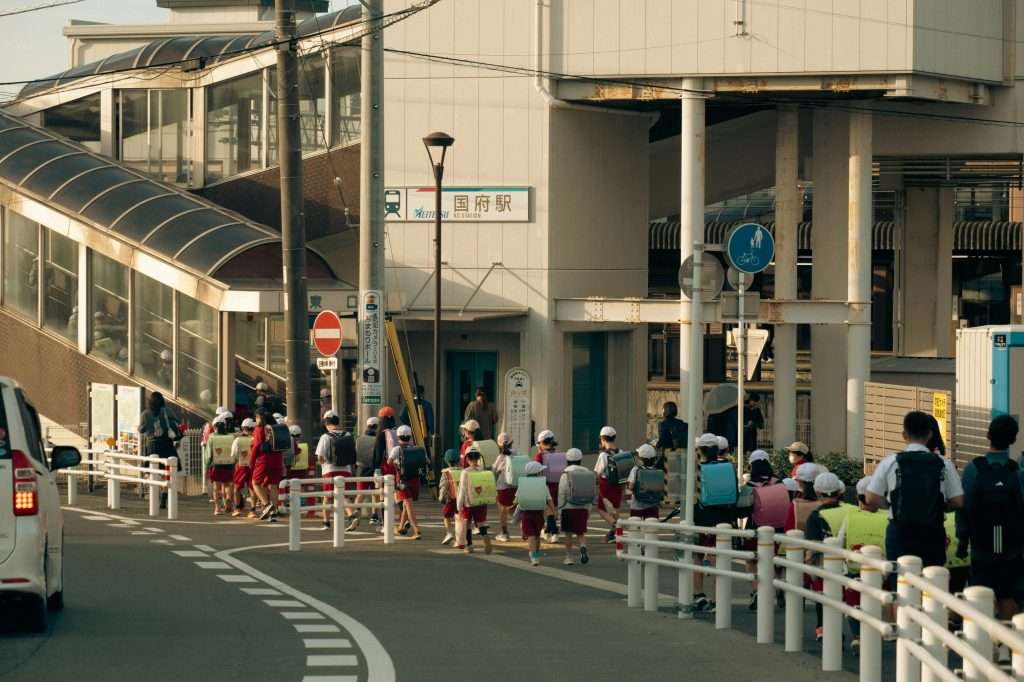
A friendly, practical guide for international families understanding Japan’s childcare system — from daycare applications to kindergarten choices and school pathways.
Japan is known for safety, clean neighborhoods, excellent public services, and high-quality education — making it a great place to raise children. But for many international parents, understanding the childcare system can feel confusing at first.
This guide breaks down how daycare, kindergarten, and schooling work in Japan, so you can make confident decisions for your family when raising kids in Japan.
Covered in This Article
- Overview of Japan’s childcare and school system
- The difference between hoikuen and yōchien
- How to apply for daycare and kindergarten
- Public vs private schools
- International school options
- Tips for families raising bilingual children in Japan
The Structure of Early Childhood Education in Japan
Japanese childcare is divided into two main categories:
1. Hoikuen (Daycare) — Ages 0–5
For working parents.
Hoikuen are licensed childcare facilities that focus on daily care and early development.
Key Points
- Open long hours (often 7:30–18:30 or later)
- Meals and naps provided
- Priority based on a point system (parents’ working status, income, single-parent status, etc.)
- Monthly cost depends on household income
Application
- Apply through your city hall (ward office)
- Main application season: October–December for April entry
- Mid-year entry is possible, but spaces are limited (especially in Tokyo/Yokohama)
Tip: “Waitlisted” is normal. Many international families get into a daycare by April if they apply early and list multiple options.
2. Yōchien (Kindergarten) — Ages 3–5
For early education and social development.
Kindergartens follow an educational structure similar to preschool + early learning.
Key Points
- Operates school-style hours (usually 9:00–14:00)
- Optional after-hours care (extended care)
- Focus on education, group play, music, and preparation for elementary school
- Costs vary — private kindergartens are common
- Government subsidies make yōchien more affordable than many expect
Application
- Direct application to the kindergarten
- Enrollment season begins October–November
Tip: “Yōchien visits” (見学 kengaku) are allowed year-round — book a tour to see if the school fits your family’s style.
3. Elementary School (Shōgakkō) — Ages 6–12
Public Schools
Japan’s public schools are high quality, safe, and free (except for lunch fees and supplies).
Strengths
- Excellent academic foundation
- Strong focus on group responsibility
- Inclusive community
- Well-managed clubs, events, and seasonal activities
Considerations for International Families
- Classes are in Japanese
- ESL support varies by city
- Parents join PTA-like groups (optional but encouraged)
Many international families choose public school so their child becomes fluent in Japanese.
Private & International Schools
Ideal if you want:
- English-based instruction
- A curriculum aligned with home country
- Bilingual or multicultural environment
Popular Options
- IB schools
- American, British, and Canadian curriculum schools
- Bilingual private schools (Tokyo, Yokohama, Osaka)
Note: International schools are significantly more expensive (¥1.5–3.5M per year).
Choosing the Best Path for Your Child
Your decision often depends on:
- Your long-term plan in Japan
- Your child’s language environment
- Whether both parents work
- Educational goals (local immersion vs international curriculum)
Three Common Paths for International Families
Hoikuen → Public School
Best for working parents wanting full Japanese immersion.
Yōchien → Public or Private School
For families who want structured early learning and community networks.
International Kindergarten → International School
For families planning short-term stays or preferring English-medium education.
Raising Bilingual Kids in Japan
Many families want their children to speak both Japanese and their home language.
Tips for Success
- Use the OPOL method (One Parent, One Language)
- Choose books, activities, and media in both languages
- Keep the home language consistent
- Create opportunities for your child to interact with both cultures
- Consider weekend schools or heritage language programs
Support Services for Parents
- Multilingual city hall offices (Tokyo, Yokohama, Osaka)
- International parenting groups on Facebook and Meetup
- Childcare consultants specializing in daycare and school applications
- Local NPOs offering bilingual support
Key Takeaways
- Japan offers excellent childcare and education options for families.
- Hoikuen is ideal for working parents; yōchien for early education.
- Public schools are high quality, but fully in Japanese.
- International schools offer bilingual or English paths at a higher cost.
- Bilingual parenting works best with consistency and cultural exposure.
Call to Action
Raising kids in Japan can be a rewarding, enriching experience — especially when you understand the system. Follow and Contact Refer Japan for more guides on life, family, school, and parenting as an international family in Japan.
Disclaimer
Policies, fees, and availability vary by city and ward. Always confirm details with your local city hall or school directly.