
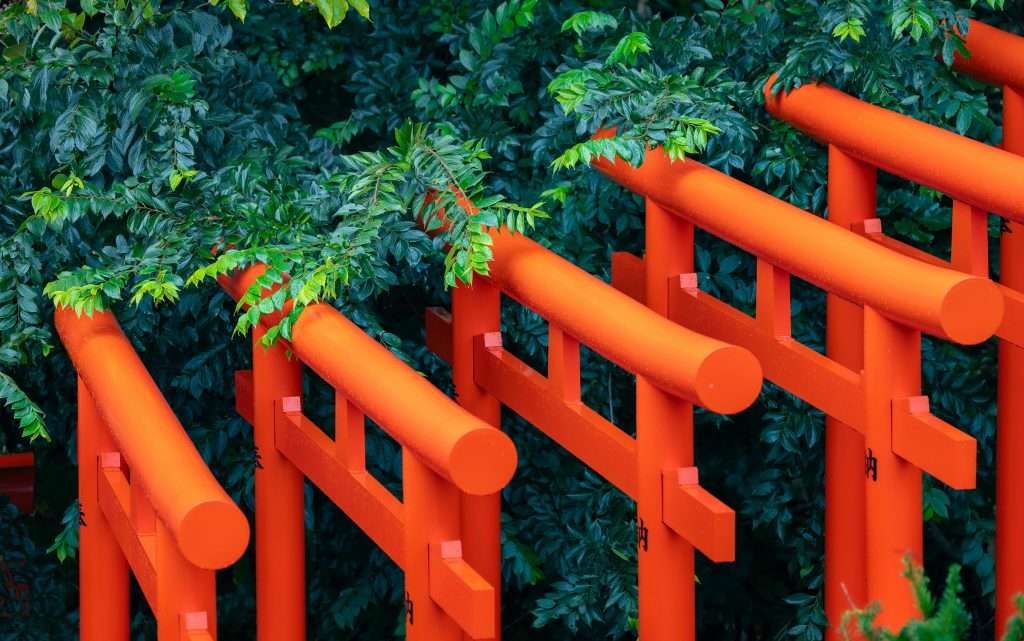
Walk the ancient paths of devotion that wind through Japan’s forests, mountains, and coastal villages — spiritual trails that connect people, places, and centuries of faith.
Covered in this Article
- Japan’s sacred walking traditions and their spiritual meaning
- Key pilgrimage routes: Kumano Kodo, Shikoku, Chichibu, and Saigoku
- Modern pilgrim experiences and what to expect
- Travel tips, lodging, and guided options for 2026
Introduction
For over a thousand years, pilgrims in Japan have walked the same forested paths to seek spiritual renewal, gratitude, and harmony with nature.
From the misty trails of Wakayama’s Kumano Kodo to the island-spanning 88 Temple Circuit of Shikoku, these routes invite both believers and wanderers to slow down, reflect, and reconnect with something timeless.
Today, Japan’s pilgrimage trails blend ancient spirituality with modern mindfulness, offering one of the world’s most profound slow-travel experiences.
The Spirit of Japanese Pilgrimage
Unlike many religious journeys, Japan’s pilgrimages (junrei, 巡礼) emphasize personal transformation rather than destination.
Rooted in both Shinto (Japan’s native faith) and Buddhism, these routes pass through mountains, temples, and sacred forests — places believed to purify the soul.
Cultural Note: Pilgrims often wear white robes (hakui), straw hats, and carry a walking staff symbolizing the presence of Kobo Daishi — the Buddhist monk said to accompany them in spirit.
The Great Pilgrimage Routes of Japan
1. Kumano Kodo — The Sacred Heart of the Kii Peninsula (Wakayama)
UNESCO World Heritage Site
The Kumano Kodo (熊野古道) network connects the Three Grand Shrines of Kumano — Hongu Taisha, Nachi Taisha, and Hayatama Taisha — through lush forests, rivers, and ancient stone steps.
Highlights:
- Nachi Falls, Japan’s tallest waterfall and sacred site
- Traditional ryokans and hot springs in Yunomine Onsen
- Tea houses and rest spots used by emperors and pilgrims for centuries
Main Routes:
- Nakahechi Route: The most popular, from Tanabe to Hongu
- Kohechi Route: Connects Koyasan to Kumano (for experienced hikers)
- Ohechi Route: Coastal path overlooking the Pacific
Experience: Stamp your nokyocho (pilgrim’s passport) at each shrine, and visit a Yunomine onsen bath — the only UNESCO World Heritage hot spring.
Best For: Spiritual hikers and first-time pilgrims.
2. Shikoku Henro — The 88 Temple Pilgrimage (四国遍路)
Japan’s Most Famous Pilgrimage
This 1,200-km circuit around the island of Shikoku follows the footsteps of Kobo Daishi (Kukai), founder of Shingon Buddhism.
Highlights:
- 88 official temples, each symbolizing a stage of enlightenment
- Ancient paths through mountains, forests, and coastal towns
- Deep hospitality (o-settai), where locals offer gifts and rest to pilgrims
Ways to Travel:
- On foot (40–60 days) — the traditional way
- By bicycle, car, or bus — modern options for shorter stays
- “Mini Henro” — local versions in Tokushima and Kagawa
Experience: Stay at shukubō (temple lodgings) and chant the Heart Sutra alongside monks at sunrise.
Best For: Long-term travelers and those seeking personal transformation.
3. Saigoku Kannon Pilgrimage (Western Japan)
Oldest Buddhist Pilgrimage in Japan
Dating back to the 8th century, this 33-temple route honors Kannon, the Goddess of Mercy, across Kansai — from Wakayama to Kyoto.
Highlights:
- Scenic temples in mountains and forests
- Iconic stops include Kiyomizu-dera (Kyoto) and Hasedera (Nara)
- Blend of art, history, and spirituality
Experience: Visit temples famous for cherry blossoms and fall foliage, pairing devotion with natural beauty.
Best For: Cultural travelers and photographers.
4. Chichibu 34 Kannon Pilgrimage (Saitama)
Tokyo’s Closest Pilgrimage Trail
Located just 90 minutes from Tokyo, this compact pilgrimage features 34 temples nestled in the Chichibu mountains.
Highlights:
- Easy day trips or weekend journeys
- Accessible for beginners and casual walkers
- Mix of small rural temples and scenic viewpoints
Experience: Try completing it in stages, collecting red ink stamps at each temple — a satisfying spiritual souvenir.
Best For: Urban travelers seeking a spiritual escape near Tokyo.
5. Dewa Sanzan — The Three Sacred Mountains of Yamagata
Mountain Asceticism and Rebirth
This ancient pilgrimage combines spiritual death, purification, and rebirth through climbing three sacred peaks:
- Mt. Haguro (rebirth)
- Mt. Gassan (death)
- Mt. Yudono (renewal)
Highlights:
- Cedar-lined steps of Mt. Haguro (2,446 stairs)
- Traditional yamabushi (mountain monks) rituals
- Overnight stays in temple lodgings
Experience: Join a guided ascetic training session or shugendo meditation.
Best For: Adventurous travelers and those seeking a deeper spiritual challenge.
How to Experience a Pilgrimage in Japan
| Style | Description | Duration |
|---|---|---|
| Walking Pilgrimage | The traditional and most immersive way | Multi-day to multi-week |
| Cycling Pilgrimage | Ideal for Shikoku’s coastal and rural routes | 1–2 weeks |
| Temple-Hopping by Train or Car | Practical for limited time | Flexible |
| Spiritual Retreat Stay | Join a temple or monastery for zazen and prayer | 1–3 days |
Tip: Purchase a nokyocho (temple stamp book) — each temple offers a hand-brushed seal and calligraphy as proof of your visit.
Lodging Along the Way
| Type | Description |
|---|---|
| Shukubō (宿坊) | Temple lodgings with morning prayers and vegetarian meals |
| Ryokan (旅館) | Traditional inns with tatami rooms and hot springs |
| Guesthouses | Affordable options catering to modern pilgrims |
| Minshuku (民宿) | Family-run inns for local hospitality |
Cultural Note: Many shukubō serve shōjin ryōri (Buddhist vegetarian cuisine) — meals crafted with mindfulness and respect for nature.
Modern Pilgrimage Trends
As wellness and slow travel grow globally, Japan’s pilgrimage culture is evolving too.
Emerging Trends:
- Mindful walking tours combining zazen and nature immersion
- Women-only pilgrim groups promoting safety and community
- Digital pilgrim apps for route guidance and temple stamps
- Hybrid spiritual itineraries combining Kumano + Koyasan or Shikoku + Dogo Onsen
Pro Tip: 2026 marks renewed global interest in spiritual tourism in Japan — ideal for storytelling and cultural collaborations.
Recommended Tour & Travel Providers
| Provider | Specialty | Website |
|---|---|---|
| Walk Japan | Guided Kumano Kodo & Shikoku walking tours | https://walkjapan.com |
| Nippon Bridge | Cultural and spiritual travel design | https://nipponbridge.com |
| Musubi Japan | Mindful and cultural journeys | https://musubijp.com |
| Kumano Travel | Official Kumano Kodo booking service | https://www.tb-kumano.jp |
| Shikoku Pilgrimage Center | Route maps & temple information | https://www.shikokuhenro.jp |
Key Takeaways
Japan’s pilgrimage routes blend spirituality, nature, and hospitality.
Top routes: Kumano Kodo, Shikoku 88 Temple Trail, Dewa Sanzan, Saigoku, and Chichibu.
Choose your pace — from short weekend walks to 60-day island circuits.
Combine your journey with onsen stays, Zen practice, or temple lodging for a full spiritual retreat.
Call to Action
Step off the beaten path and walk the way of ancient pilgrims.
Follow and Contact Refer Japan for curated pilgrimage routes, temple stay guides, and spiritual travel stories that connect Japan’s timeless traditions with today’s mindful travelers.
Disclaimer
Trail conditions, lodging, and accessibility may vary seasonally. Always check local weather, prepare proper gear, and respect sacred sites during your pilgrimage.