
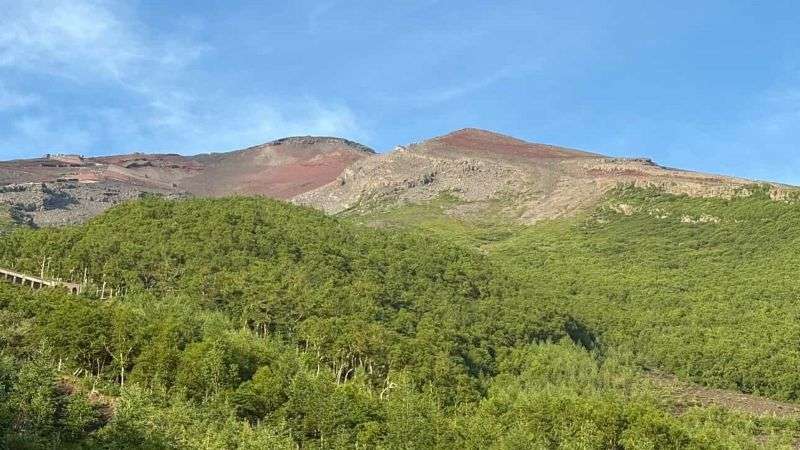
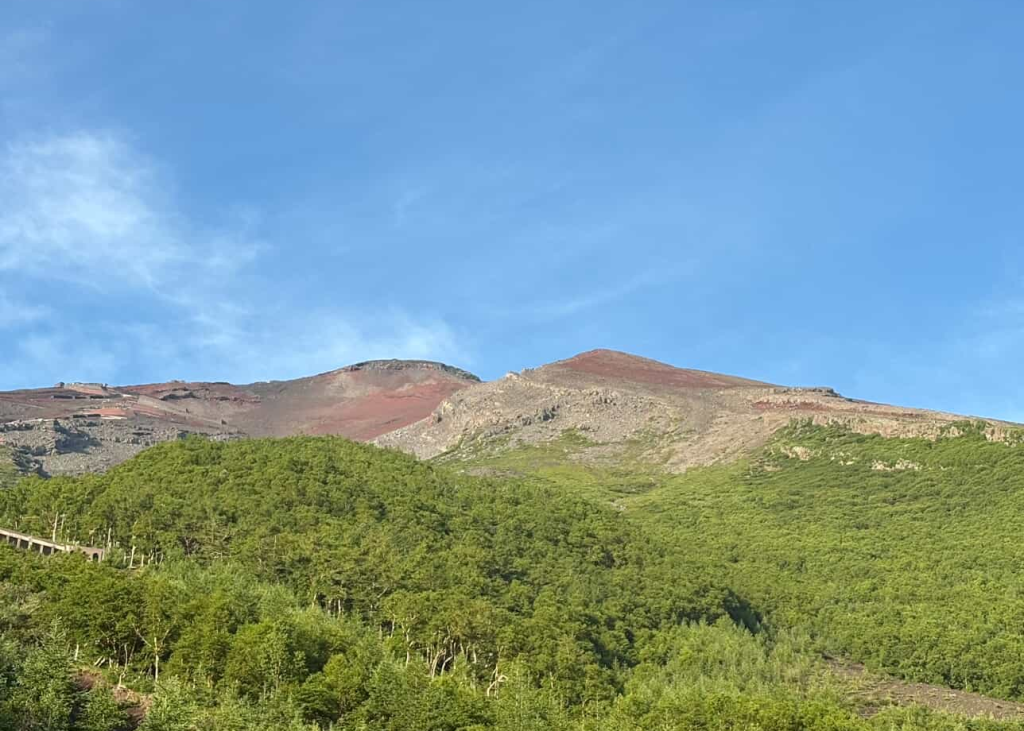
Mount Fuji isn’t just Japan’s tallest mountain, it’s much more than that. It’s a symbol of spiritual awakening for anyone who gazes upon it. Every year, as summer sets in, thousands of tourists and locals make their way to the summit. Whether you’re starting from the popular 5th Station or taking on the adventure of hiking from the base via the Yoshida Trail, there are some important do’s and don’ts to keep yourself safe and avoid unnecessary problems during your hike. So, here are some Mount Fuji hiking tips to keep you safe and to make your hike enjoyable.
DO: Start Early
Between the sheer height of the mountain and the need for constant breaks due to drastic altitude changes, it may take an average hiker anywhere from 10 to 16 hours, depending on the starting point. If you’re determined to embark on this adventure, be prepared to wake up early — very early.
DON’T: Underestimate the Altitude
It might not feel like much at the beginning, but as you ascend, the altitude change will hit like a truck. By the 8th Station, many people start to feel it: headaches, dizziness, even nausea. No one is immune to altitude sickness, not even the fittest hikers. To minimize the effects, go slow, stay hydrated, and take as many breaks as you need. Under no circumstances should you try to power through it — the mountain will humble you.
DO: Bring Lots of Layers
Although it may seem like a warm summer hike at the base, nothing could be farther from the truth as you climb higher. As you progress, the freezing mountain breeze will slash against your skin. To avoid regret later on, pack layers you can easily put on or take off as needed. Beanies and gloves might sound excessive at first glance until it’s too cold to continue.
DON’T: Forget Headlamps (If You Are Hiking at Night)
No matter how good your eyesight is, headlamps are essential for anyone hiking at night. This isn’t just a casual stroll through your neighborhood park. The trails at night are pitch black, often uneven, and slippery. And if you think your phone’s flashlight might do the trick, it won’t save you at 3,000 meters, especially when your hands are busy grabbing onto rocks.
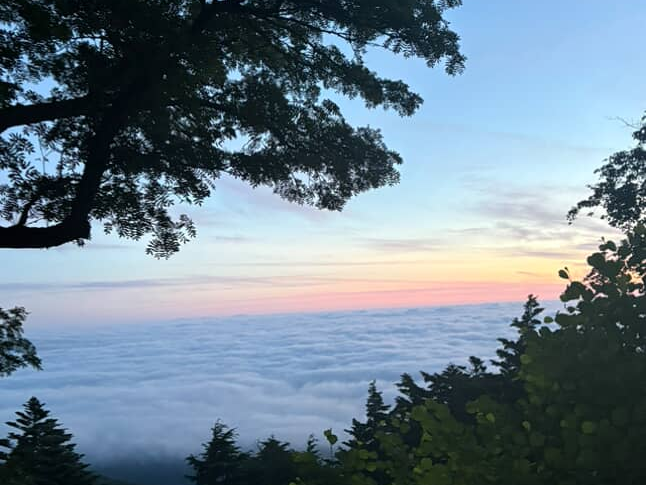
DO: Respect the Mountain
Don’t treat this as just another bucket-list hike. Mount Fuji holds deep historical and cultural significance and is sacred to many in Japan. Keep this in mind and be mindful not to litter or play loud music. The quieter and more respectful you are, the more likely you are to connect with the mountain on a deeper level — which will make your hike all the more meaningful.
DON’T: Underestimate the Hike Downhill
Hiking down Mount Fuji is faster, yes but is it easier? No. The paths are slippery and pose a challenge for hikers on the descent. Trekking poles are highly recommended to help maintain your balance. Don’t forget, going down is when most people twist ankles and lose toenails.
If you stick to these Mount Fuji hiking tips and be careful, your Mount Fuji experience will turn into a story you’ll cherish for a lifetime.
Want to discover more about Japan? Click here!
To learn more about Mount Fuji’s history check the Wikipedia page!
Disclaimer
Event schedules, entry fees, and illumination times are subject to change. Always check official websites for the latest updates before visiting.