
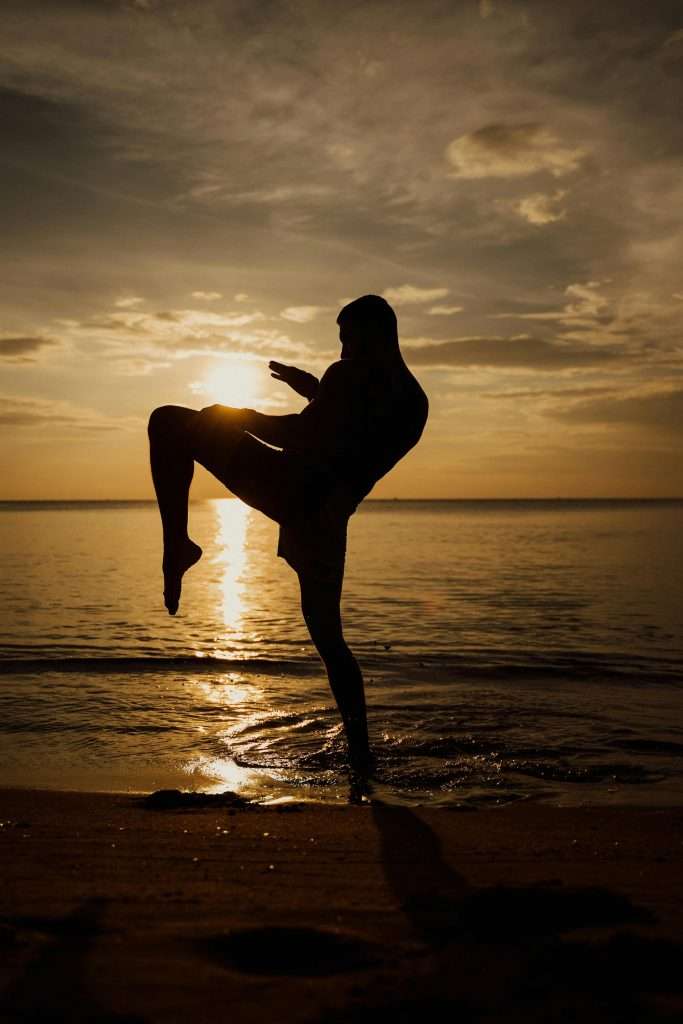
Why More Foreigners Are Training in Japanese Martial Arts
Looking to get fit in Japan while immersing yourself in authentic culture?
Forget the treadmill. Picture yourself gripping a bamboo sword in a quiet dojo. Or mastering precise kicks in a traditional karate gi.
Japanese martial arts for fitness aren’t just about fighting they’re about building strength, discipline, focus, and cultural understanding.
Thousands of locals and foreigners alike train in martial arts not just to defend themselves but to improve posture, burn fat, increase mobility, and boost mental clarity.
Whether you’re living in Japan or just visiting, martial arts offer a unique way to:
- Improve fitness while learning something meaningful
- Connect with Japanese traditions
- Join local communities in a respectful, structured environment
Let’s break down three of the most popular martial arts in Japan Karate, Judo, and Kendo and how you can start training in them even as a complete beginner.
Key Martial Arts Explained
1. Karate (空手) – “Empty Hand”
- Focus: Striking, blocking, kicking
- Style: Power, speed, precision
- Ideal For: Cardio, core strength, flexibility
Originating in Okinawa, karate is one of the most globally practiced martial arts. It focuses on empty-handed techniques and sharp, disciplined movements.
Real-world benefit: Karate improves balance and reaction time great for all ages.
2. Judo (柔道) – “The Gentle Way”
- Focus: Grappling, throws, holds
- Style: Leverage-based, no striking
- Ideal For: Full-body conditioning, core control
Founded by Jigoro Kano in 1882, Judo is an Olympic sport and teaches you how to control your opponent’s movement using their force against them.
Fun fact: Judo is a required subject in Japanese schools!
3. Kendo (剣道) – “The Way of the Sword”
- Focus: Bamboo sword sparring
- Style: Fast-paced, high-intensity
- Ideal For: Cardiovascular endurance, reflexes, mental discipline
Kendo combines physical intensity with spiritual focus. Wearing protective armor (bogu), practitioners strike using bamboo swords (shinai) with loud, energizing yells called kiai.
Unique challenge: Learning traditional forms (kata) and etiquette is as important as the strikes.
How Martial Arts Improve Your Fitness
Full-Body Benefits:
- Boosts muscle tone and strength
- Improves mobility and posture
- Builds aerobic stamina and explosive power
- Encourages mindfulness and emotional control
Estimated Calories Burned Per Hour:
| Martial Art | Approx. Calories (per hour) |
|---|---|
| Karate | 600–800 |
| Judo | 700–1,000 |
| Kendo | 500–700 |
Bonus: Martial arts training includes stretching, breathing, and meditation practices, promoting both physical and mental health.
What Beginners Should Know Before Joining
- You don’t need to be fit to start. Most dojos welcome all levels.
- Etiquette matters — bowing, respect for teachers (sensei), and discipline are central.
- You’ll need a uniform — called a gi or kendogi, often white cotton.
- Language barriers are manageable — instructors often speak basic English or provide visual instruction.
Case Study: An Expat’s Martial Arts Journey
Samantha from the UK – Karate in Tokyo
“I joined a local karate dojo in Meguro just to stay active. But it became a weekly ritual that helped me make Japanese friends and feel truly part of the culture. I lost 6kg in three months and gained so much more confidence.”
Diego from Mexico – Kendo in Kyoto
“Kendo was intense at first, but the structure and discipline helped me focus like never before. It became more than fitness—it became therapy.”
Actionable Steps: How to Start Martial Arts in Japan
- Choose Your Style
Try trial classes to see what fits: striking, grappling, or sword-based practice. - Search for Local Dojos
Use Google Maps, community centers, or websites like Hello-Sensei or DojoLocator. - Book a Trial Lesson (体験 / taiken)
Most dojos offer 1-day experiences or trial weeks. - Prepare Basic Gear
Start with loose clothing; invest in a uniform if you continue. - Learn Key Japanese Terms
- Onegaishimasu (お願いします): Used to request a lesson politely
- Rei (礼): Bow
- Sensei (先生): Teacher/master
- Osu (押忍): Respectful affirmation in karate
- Use Translation Apps or Ask
Don’t be afraid to ask for help—many dojos welcome foreigners and will assist with communication.
Recap: Why Japanese Martial Arts Are Worth Trying
- Build strength, stamina, and self-control
- Learn lifelong cultural values through tradition
- Make local friends and join tight-knit communities
- Accessible to all ages and skill levels
Whether you’re in Japan for a few months or a few years, martial arts can be a meaningful, transformative part of your journey.
Want to start training in Japan?
We can help connect you with beginner-friendly martial arts dojos, language support, and cultural tips. Contact us now to take your first step!
Disclaimer
This article is for informational purposes only. Availability of martial arts classes may vary by region. Always consult with a doctor before starting any new physical activity.