
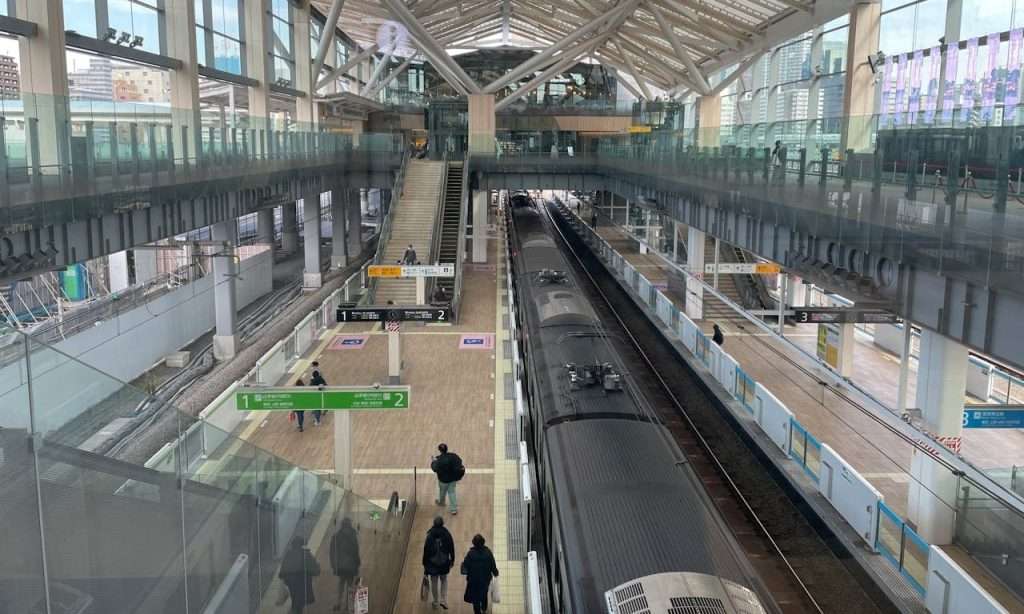
Japan boasts one of the most efficient transportation systems in the world, making it easy to explore its bustling cities, scenic countryside, and everything in between. Whether you’re commuting by bike, navigating subway systems, or traveling long distances on the iconic Shinkansen, understanding how to use Japan’s transportation network will save you time and money. This guide on Japan’s Transportation Made Easy covers biking, subways, prepaid IC cards, and Shinkansen passes, ensuring seamless travel whether you’re visiting, studying, working, or starting a business in Japan.
1. Biking in Japan: Renting, Buying, and Rules to Know
Biking is a popular and eco-friendly way to get around Japan, particularly in cities like Kyoto, where streets are bike-friendly.
Renting a Bicycle:
Bike rental services are widely available in urban and rural areas.
- How to Rent:
- Visit local bike rental shops, or use bike-sharing apps like Docomo Bike Share or Hello Cycling.
- Prices range from ¥500–¥1,500 per day.
- Pro Tip: Check if your accommodation provides free or discounted bike rentals.
Buying a Bicycle:
For long-term residents, buying a bike can be more cost-effective.
- Where to Buy:
- Visit second-hand shops like Hard Off or major retailers like Aeon Bike.
- Basic models start at around ¥10,000.
- Registration:
- All bikes in Japan must be registered at the time of purchase. Bring your residence card and ID to complete the process.
Parking Rules:
- Designated Parking Areas: Always park in official bike racks or designated areas. Illegally parked bikes can be confiscated.
- Fees: Some bike parking lots charge a small fee (¥100–¥300).
2. Navigating Japan’s Subway Systems with Ease
Subways are the backbone of transportation in Japan’s major cities like Tokyo, Osaka, and Nagoya.
Using Prepaid IC Cards:
IC cards like Suica and Pasmo are essential for subway travel.
- How to Get One:
- Purchase from ticket machines or counters at train stations. A ¥500 deposit is required.
- Load funds onto the card at the same machines or convenience stores.
- Benefits:
- Seamless tap-and-go access to subways, buses, and even some stores and vending machines.
- Avoids the hassle of buying individual tickets.
Decoding Train Maps:
- Subway maps in Japan can look intimidating, but they’re easy to understand with these tips:
- Color-Coded Lines: Each subway line has a unique color and letter (e.g., Ginza Line is orange, labeled “G”).
- Station Numbers: Stations are numbered sequentially, making navigation easier even without knowing Japanese.
- Apps to Use:
- Google Maps: Real-time route planning.
- NAVITIME: Precise train schedules and transfer details.
Pro Tip:
Avoid peak hours (7:30–9:30 AM and 5:00–7:00 PM) to enjoy a less crowded commute.
3. Long-Distance Travel: Exploring Japan by Shinkansen (Bullet Train)
The Shinkansen, or bullet train, is the fastest and most comfortable way to travel between cities in Japan.
Types of Shinkansen:
- Nozomi: The fastest, with limited stops, but not covered by JR Pass.
- Hikari: Slightly slower but covered by JR Pass.
- Kodama: Stops at all stations, ideal for local travel.
Shinkansen Passes for Tourists:
Tourists can save significantly with rail passes:
- JR Pass (Japan Rail Pass):
- Unlimited travel on most JR trains, including Shinkansen (except Nozomi).
- Prices start at ¥29,650 for a 7-day pass.
- Must be purchased outside Japan or online before arrival.
- Regional Passes:
- Ideal for exploring specific regions like Kansai, Kyushu, or Hokkaido.
- Cheaper than the full JR Pass.
Tips for Residents:
Long-term residents can use regional passes or discount ticket packs like Puratto Kodama for affordable Shinkansen travel.
How to Book Shinkansen Tickets:
- Online: Use JR East’s app or websites for ticket reservations.
- In-Person: Visit ticket machines or JR counters (Midori no Madoguchi).
Onboard Etiquette:
- Quiet Zone: Keep phone calls and loud conversations to a minimum.
- Luggage Storage: Large suitcases should be stored in designated areas.
4. Combining Biking, Subways, and Shinkansen for Seamless Travel
City Exploration:
- Rent a bike to explore smaller cities like Nara or Kanazawa.
- Use subways to navigate larger cities like Tokyo and Osaka.
Intercity Travel:
- Combine subways and the Shinkansen for day trips or multi-city tours.
- Example: Start with the Kyoto subway to the station, then take the Shinkansen to Hiroshima.
Pro Tip:
Apps like Japan Official Travel App help you plan multi-modal trips efficiently.
5. Additional Transportation Tips for Tourists and Residents
- Download Key Apps:
- Japan Transit Planner: Ideal for tourists.
- Yahoo! Transit: A favorite among locals.
- Carry Cash: Some smaller stations and bike parking lots may not accept IC cards or credit cards.
- Travel Insurance: Consider travel insurance that covers transportation delays or cancellations.
Contact us now for guidance on the Japanese transportation system!
Conclusion
Japan’s transportation system is a marvel of efficiency, but understanding how to navigate its bikes, subways, and Shinkansen is key to making the most of your journey. This guide on Japan’s Transportation Made Easy ensures you’re prepared to rent bikes, decode train maps, and travel long distances with Shinkansen passes. Whether you’re exploring as a tourist, commuting as a student, or traveling for business, these tips will save you time and money, leaving you free to enjoy Japan’s incredible sights and culture.
Plan your trips with confidence and experience the convenience of Japan’s world-class transportation system!
Disclaimer
The information in this article is for reference only. Traffic laws and regulations may change. Always check with local authorities or the Japan Automobile Federation (JAF) for the latest updates.