
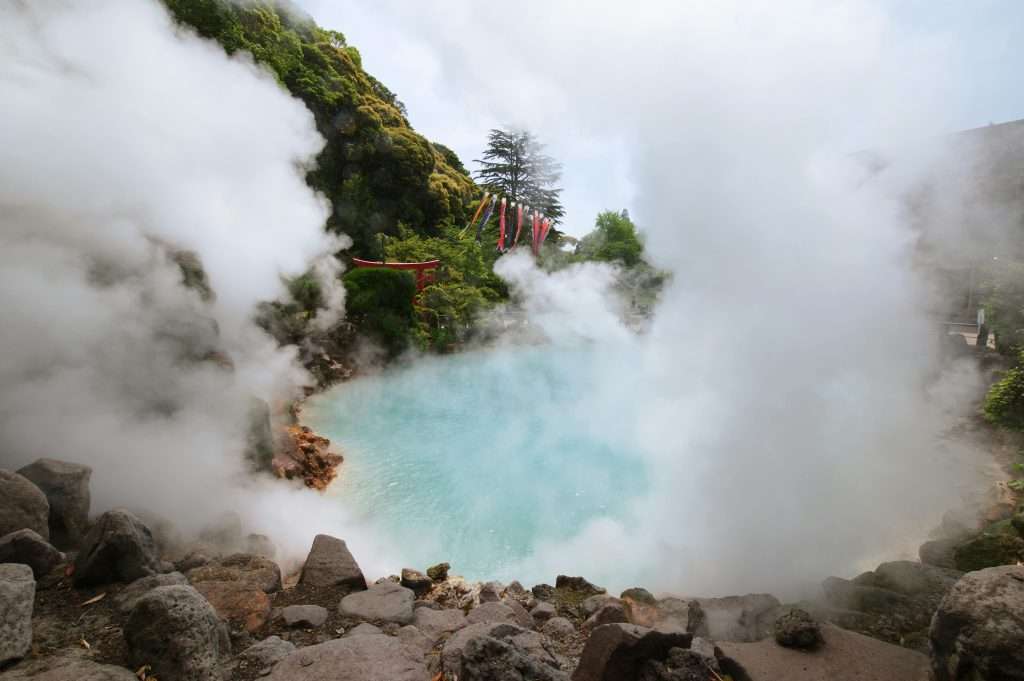
Why Japan’s Onsens Are a Must-Experience
Imagine stepping into a steaming, mineral-rich bath surrounded by breathtaking mountain scenery or a serene traditional wooden bathhouse. The moment your body sinks into the warm water, you feel tension melt away.
This is the magic of Japan’s onsens—natural hot springs that have been an essential part of Japanese wellness and relaxation for centuries.
With over 27,000 natural hot spring sources and more than 3,000 onsen resorts, Japan is one of the best places in the world to enjoy therapeutic bathing. Whether you want to relieve stress, soothe muscle pain, or just immerse yourself in traditional Japanese culture, onsens offer an unforgettable experience.
What You Will Learn in This Guide
- The health benefits of Japan’s onsens
- The best onsen locations across Japan
- Public vs. private onsens: Which is right for you?
- Onsen etiquette: Do’s and Don’ts for first-time visitors
- How to choose the perfect onsen experience
The Health Benefits of Japan’s Onsens
Onsens aren’t just about relaxation—they offer real health benefits. The naturally occurring minerals in hot spring water have been scientifically proven to improve circulation, relieve stress, and support skin health.
Top Health Benefits of Onsens
Muscle Relaxation & Pain Relief
- The heat from the onsen increases blood circulation and helps reduce muscle stiffness. Ideal for those with joint pain, arthritis, or after a long hike.
Stress Reduction & Mental Clarity
- The warm water and peaceful surroundings activate the parasympathetic nervous system, lowering stress and improving mental relaxation.
Skin Rejuvenation
- Sulfur, sodium, and other minerals found in hot spring water help treat skin conditions like eczema and acne.
Detoxification
- Bathing in an onsen stimulates sweating, flushing toxins from the body and improving metabolism.
Better Sleep
- The calming effect of onsens can improve sleep quality, making it an excellent activity before bedtime.
The Best Onsen Locations in Japan
Whether you’re looking for a mountain retreat, a beachside soak, or a cultural hot spring town, Japan has an onsen for everyone.
Hakone Onsen (Kanagawa) – Best for Day Trips from Tokyo
- Just 90 minutes from Tokyo
- Stunning views of Mt. Fuji
- Famous for milky white sulfuric waters
Beppu Onsen (Oita) – Best for Variety
- Over 2,000 hot spring sources
- Features sand baths and mud baths
- The famous “Hells of Beppu” (Jigoku Meguri) showcase colorful volcanic pools
Kusatsu Onsen (Gunma) – Best for Healing
- Known for its high sulfur content, great for skin and muscle pain
- Traditional onsen town atmosphere
- Yubatake (hot water field) is a famous landmark
Noboribetsu Onsen (Hokkaido) – Best for Hot Spring Variety
- Over 11 types of mineral waters
- Located near the scenic Hell Valley (Jigokudani)
- Famous for sulfuric, iron-rich, and saline hot springs
Kinosaki Onsen (Hyogo) – Best for Traditional Onsen Hopping
- Seven unique public baths to explore
- Visitors walk around in yukata (traditional robes)
- Beautiful riverfront scenery
Public vs. Private Onsens: Which One to Choose?
When visiting an onsen, you’ll need to choose between public baths and private baths.
Public Onsens (大浴場, Daiyokujō)
- Cheaper (¥500–¥1,500 per visit)
- Social experience with locals
- Offers large pools with different mineral waters
- Nudity required (no swimsuits allowed)
Private Onsens (貸切温泉, Kashikiri Onsen)
- Perfect for couples or families
- Bathing suits sometimes allowed
- Available in luxury ryokan (traditional inns)
- More expensive (¥3,000–¥10,000 per hour)
Tip: If you’re shy about bathing in public, consider booking a private onsen at a ryokan!
Onsen Etiquette: Do’s and Don’ts
Japanese onsens have strict etiquette rules, and knowing them will help you avoid any awkward moments!
- Do
- Wash and rinse your body before entering the onsen.
- Enter the bath slowly and quietly (no splashing!).
- Tie up long hair to keep it out of the water.
- Bring a small towel for drying off before leaving the bath area.
- Don’t
- Don’t enter the bath without showering first.
- Don’t bring soap or shampoo into the main onsen pool.
- Don’t dip your towel in the water (keep it on your head or outside the bath).
- Don’t stare or take photos inside the bath area.
How to Choose the Perfect Onsen Experience
Looking for relaxation near Tokyo? → Try Hakone Onsen.
Want to experience multiple types of hot springs? → Visit Beppu or Noboribetsu.
Prefer a traditional Japanese onsen town? → Kinosaki Onsen is perfect.
Need a therapeutic soak for skin and muscles? → Kusatsu Onsen has healing properties.
Key Takeaways & Action Steps
Onsens offer incredible health benefits, from stress relief to improved skin health.
Each onsen town has its own unique features—choose based on your preferences.
Follow onsen etiquette to respect Japanese bathing culture.
If you’re uncomfortable with public bathing, book a private onsen.
Ready to experience Japan’s onsens? Plan your trip now and immerse yourself in the ultimate relaxation!
Contact us now for expert advice on planning your trip and finding the best onsens for your group!
Disclaimer
This guide provides general information about onsens in Japan. Always check specific onsen rules and regulations before visiting.