
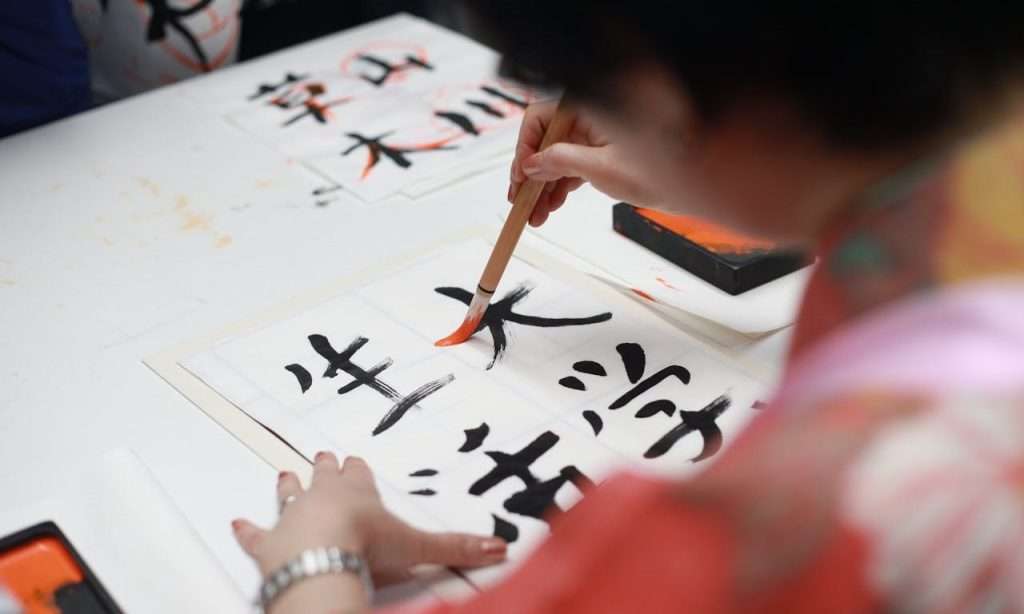
Living in Japan offers a unique opportunity to immerse yourself in the language and culture, creating the perfect environment to master Japanese. However, navigating real-world conversations and understanding local nuances can be challenging without the right strategies.
In this guide, we’ll explore effective immersive learning techniques to improve your Japanese while living in Japan, helping you make the most of your stay and achieve fluency faster.
Why Immersive Learning is Key to Mastering Japanese
Immersive learning places you in real-life situations where you actively use and hear the language. Unlike classroom-based learning, immersion:
- Accelerates Fluency: Frequent exposure to native speakers improves listening and speaking skills.
- Builds Confidence: Regular practice in real scenarios reduces hesitation.
- Introduces Nuances: You’ll learn slang, idioms, and cultural context often missed in textbooks.
Living in Japan naturally creates opportunities for immersion, but intentional efforts can amplify your progress.
Step 1: Start with Practical Daily Interactions
Use Japanese for Everyday Tasks
Living in Japan gives you countless opportunities to practice Japanese in daily life:
- Grocery Shopping: Learn food-related vocabulary by reading labels and interacting with store staff.
- Public Transportation: Practice reading kanji on signs and listening to announcements.
- Restaurants: Order food in Japanese and ask questions about the menu.
Speak Even When It’s Uncomfortable
Don’t worry about making mistakes. Japanese locals often appreciate your effort and are patient with learners.
Examples:
- When buying coffee, ask: “Sumimasen, ko-hi- wo hitotsu kudasai” (Excuse me, one coffee, please).
- At a train station, inquire: “Kono densha wa Tokyo ni ikimasu ka?” (Does this train go to Tokyo?).
Step 2: Immerse Yourself in Local Media
Watch Japanese TV Shows and Movies
- Popular dramas like Terrace House or anime series provide exposure to conversational Japanese.
- Use subtitles as a learning tool by starting with English and gradually switching to Japanese.
Listen to Japanese Music and Podcasts
- Music: Singing along to J-pop songs helps with pronunciation.
- Podcasts: Shows like Bilingual News offer a mix of Japanese and English for learners.
Read Manga and Newspapers
- Manga often uses simpler language with visual context, making it ideal for beginners.
- Advanced learners can read newspapers like Asahi Shimbun to expand vocabulary.
Step 3: Join Language Exchange Programs
What Are Language Exchanges?
Language exchanges pair you with native Japanese speakers who want to learn your language. It’s a mutually beneficial way to practice conversational Japanese.
How to Find Exchanges in Japan
- Meetup Groups: Search for Japanese-English language exchange events.
- Apps: Use platforms like HelloTalk or Tandem to connect with locals online.
- Community Centers: Many offer free language exchange sessions.
Tips for Success
- Prepare topics to discuss in advance.
- Alternate between languages to ensure balanced learning.
Step 4: Enroll in a Japanese Language School
Benefits of Language Schools in Japan
- Structured Curriculum: Classes cover grammar, vocabulary, and kanji systematically.
- Qualified Teachers: Learn from professionals who can explain complex concepts.
- Peer Support: Practice with fellow students at similar proficiency levels.
Recommended Schools
- KCP International: Offers intensive language programs.
- Go! Go! Nihon: Helps international students enroll in Japanese language schools.
- GenkiJACS: Known for small class sizes and personalized attention.
Step 5: Leverage Technology for Daily Practice
Language Learning Apps
- Anki: Create flashcards for kanji and vocabulary.
- Duolingo: Gamified lessons for beginners.
- WaniKani: Focuses on kanji mastery.
Translation Tools
- Use Google Translate or DeepL for immediate assistance, but focus on gradually reducing reliance.
Interactive Tools
- NHK Easy News: Simplified Japanese news articles for learners.
- JapanesePod101: Audio lessons for all proficiency levels.
Step 6: Engage in Cultural Activities
Join Local Clubs or Classes
Participate in activities like:
- Martial Arts: Karate, judo, or kendo classes often involve Japanese instructions.
- Tea Ceremony or Ikebana: Learn cultural traditions while practicing Japanese.
Volunteer in Your Community
Volunteering at local events or organizations provides opportunities to interact with native speakers while contributing to society.
Step 7: Set Realistic Goals and Track Progress
Set SMART Goals
- Specific: “Learn 50 new kanji this month.”
- Measurable: “Hold a 5-minute conversation in Japanese by the end of the week.”
Track Your Progress
- Keep a journal to note new words and expressions.
- Record yourself speaking to evaluate improvement over time.
Celebrate Milestones
Acknowledge achievements, such as successfully navigating a conversation or reading your first Japanese book.
Common Challenges and How to Overcome Them
Challenge: Fear of Speaking
- Solution: Start with short phrases in low-pressure situations, such as ordering food.
Challenge: Language Plateaus
- Solution: Mix up your learning methods by joining new activities or trying different resources.
Challenge: Understanding Dialects
- Solution: Focus on standard Japanese initially but stay curious about regional differences.
Conclusion
Living in Japan provides a golden opportunity to improve your Japanese while living in Japan through immersive techniques. By engaging in daily interactions, consuming local media, joining language exchanges, and leveraging technology, you can accelerate your fluency.
Embrace the challenges and celebrate the small wins as you immerse yourself in the language and culture. With dedication and consistency, you’ll not only improve your Japanese but also enrich your overall experience of living in Japan.
Are you ready to start your journey toward fluency? Let this guide be your roadmap to success! Contact us here!
Disclaimer
Environmental practices in Japan may vary by city or university. Always check with local municipalities for the most accurate recycling and waste disposal guidelines. This article provides general guidance based on common student experiences.