
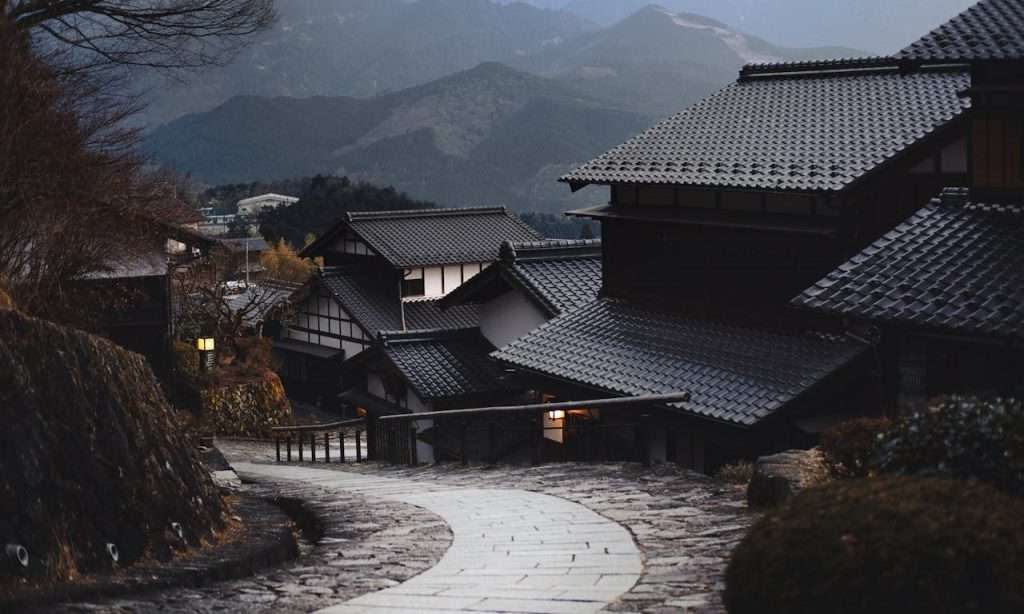
Hidden Gems: Exploring Japan’s Most Underrated Towns and Villages
Introduction
When people think of Japan, bustling cities like Tokyo, Osaka, and Kyoto often come to mind. However, there’s a wealth of 日本の隠れた名所 (Japan’s hidden gems) waiting to be discovered. These underrated towns and villages offer a glimpse into traditional Japanese life, untouched natural beauty, and unique cultural experiences. Whether you’re a tourist, a student, or an expat, exploring these lesser-known destinations will deepen your appreciation for Japan’s diversity.
Let’s journey to some of the best-kept secrets in Japan and learn why they deserve a spot on your itinerary.
1. Taketomi Island (Okinawa Prefecture)
- Why Visit?
Taketomi Island is a small, picturesque island in Okinawa known for its traditional Ryukyuan-style houses, white sand roads, and relaxing vibes. - What to Do:
- Explore the charming streets by bicycle.
- Visit the Hoshizuna no Hama (Star Sand Beach), famous for its star-shaped sand particles.
- Experience a traditional ox-cart ride through the village.
- Pro Tip:
Stay in a local minshuku (guesthouse) to immerse yourself in island life and savor homemade Okinawan dishes.
2. Wazuka (Kyoto Prefecture)
- Why Visit?
Wazuka is a tea-growing village known for its lush green tea plantations and peaceful atmosphere. - What to Do:
- Join a tea-picking experience and learn about Japanese tea culture.
- Hike through the scenic tea fields, especially the Asahi and Ishitera plantations.
- Visit the Wazuka Cha Café for tea-infused delicacies.
- Pro Tip:
Visit during spring or autumn for stunning views of the tea fields and surrounding hills.
3. Gujo Hachiman (Gifu Prefecture)
- Why Visit?
This riverside town is famous for its pristine waterways, traditional craftsmanship, and summer dance festival. - What to Do:
- Try your hand at making plastic food samples, a craft that originated here.
- Visit Gujo Hachiman Castle for panoramic views.
- Enjoy the Gujo Odori dance festival, held every summer.
- Pro Tip:
Bring a pair of sandals to dip your feet in the clear streams that flow through the town.
4. Oboke and Iya Valley (Tokushima Prefecture)
- Why Visit?
This remote region on Shikoku Island is a haven for adventure seekers and nature lovers. - What to Do:
- Cross the iconic vine bridges of Iya Valley.
- Go white-water rafting in the Oboke Gorge.
- Stay in a traditional thatched-roof farmhouse.
- Pro Tip:
Rent a car for easy access to the region’s scenic spots and secluded trails.
5. Tottori Sand Dunes (Tottori Prefecture)
- Why Visit?
Tottori’s sand dunes are Japan’s only desert-like landscape, offering a unique setting for outdoor activities. - What to Do:
- Ride camels across the dunes.
- Visit the Sand Museum to see intricate sand sculptures.
- Try sandboarding for an adrenaline rush.
- Pro Tip:
Visit during sunrise or sunset for spectacular views and cooler weather.
6. Kinosaki Onsen (Hyogo Prefecture)
- Why Visit?
This onsen (hot spring) town offers a quintessential Japanese bathing experience with seven unique public baths. - What to Do:
- Stroll through the town in a yukata (cotton kimono).
- Enjoy local seafood, especially crab dishes in winter.
- Relax in an outdoor hot spring overlooking the town.
- Pro Tip:
Purchase a yumepa (onsen pass) to enjoy unlimited access to all the public baths.
7. Ainokura (Toyama Prefecture)
- Why Visit?
Ainokura is part of the Gokayama region, known for its UNESCO-listed gassho-zukuri farmhouses. - What to Do:
- Stay overnight in a gassho-zukuri farmhouse for an authentic rural experience.
- Explore the village by foot and learn about its history at the local museum.
- Enjoy seasonal activities like snowshoeing in winter.
- Pro Tip:
Visit in winter to see the illuminated farmhouses blanketed in snow.
8. Okunoshima (Hiroshima Prefecture)
- Why Visit?
Known as “Rabbit Island,” Okunoshima is home to hundreds of friendly rabbits. - What to Do:
- Interact with the rabbits and feed them (carrot slices are a favorite).
- Learn about the island’s history at the Poison Gas Museum.
- Relax on the island’s serene beaches.
- Pro Tip:
Pack your own food and snacks, as options are limited on the island.
9. Narai-juku (Nagano Prefecture)
- Why Visit?
This beautifully preserved Edo-period post town along the Nakasendo Trail is a step back in time. - What to Do:
- Walk the streets lined with traditional wooden buildings.
- Shop for local crafts like lacquerware.
- Visit the historic Kiso Bridge.
- Pro Tip:
Stay overnight to experience the quiet charm of the town after day-trippers leave.
10. Shimabara (Nagasaki Prefecture)
- Why Visit?
This historic town is known for its samurai residences and natural springs. - What to Do:
- Explore Shimabara Castle and the preserved samurai district.
- Visit the Unzen Jigoku (hot spring hells) for unique geothermal landscapes.
- Enjoy fresh seafood from the Ariake Sea.
- Pro Tip:
Take a ferry from Shimabara to nearby Kumamoto for additional sightseeing.
Conclusion
Exploring 日本の隠れた名所 (Japan’s hidden gems) allows you to experience a side of Japan that many travelers miss. These underrated towns and villages offer a quieter, more intimate look at the country’s culture, history, and natural beauty. Whether it’s cycling through Taketomi Island, sipping tea in Wazuka, or dancing in Gujo Hachiman, each destination provides unique experiences you’ll treasure forever.
Take a step off the beaten path and discover why these hidden gems are worth exploring on your next trip to Japan.
Ready to explore more about Japan or need personalized guidance? Contact us here!
Disclaimer: information in this article is for general guidance only and subject to change. Always consult official immigration and healthcare resources or experts when planning your retirement in Japan.