
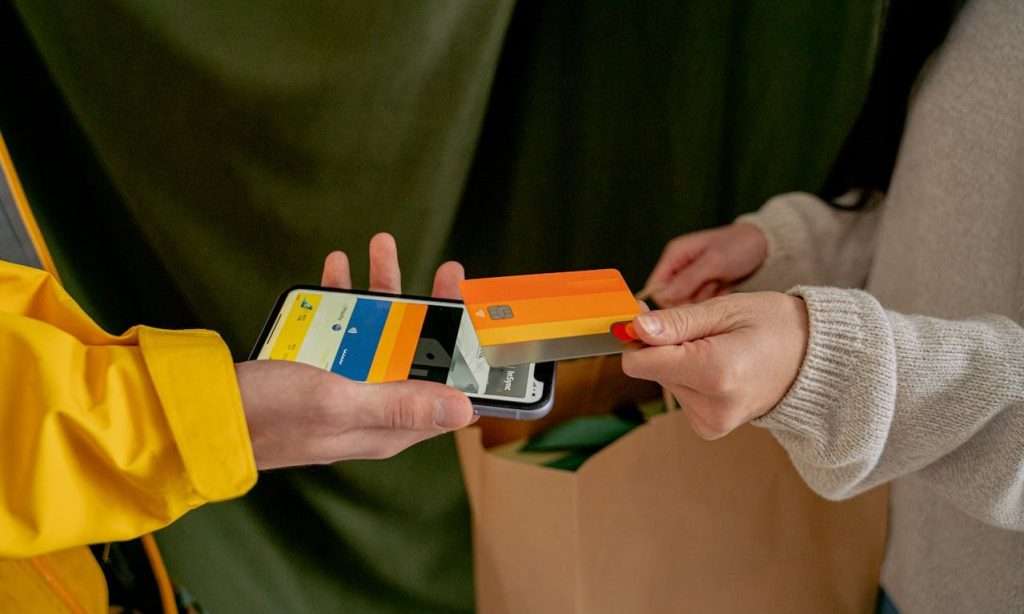
Japan has long been known as a cash-reliant society, but in recent years, it has embraced a cashless revolution. Whether you’re hopping on a train, grabbing a coffee, or shopping at a convenience store, having access to cashless payment methods can make your life in Japan smoother and more convenient. This Guide to Japan’s Cashless Society will walk you through the essentials, including IC cards like Suica and Pasmo, popular mobile payment options like PayPay and Rakuten Pay, and practical tips for navigating the blend of cash and digital payments as a tourist, student, worker, or entrepreneur in Japan.
1. Understanding Japan’s IC Cards: Suica, Pasmo, and More
IC cards are rechargeable prepaid cards widely used for transportation and small purchases. Here’s what you need to know:
What Are IC Cards?
IC cards like Suica, Pasmo, and ICOCA function as digital wallets for both transportation and shopping. They’re incredibly versatile and convenient.
- Where to Use Them:
- Trains, buses, and subways across Japan.
- Convenience stores (7-Eleven, FamilyMart, Lawson).
- Vending machines and some restaurants.
- How to Get One:
- Purchase at train stations from ticket machines or service counters.
- A refundable deposit (usually 500 yen) is required when buying a card.
Tips for Tourists Using IC Cards:
- Use the Welcome Suica card, designed specifically for tourists. It has no deposit fee and is valid for 28 days.
- Recharge your card at station kiosks or convenience stores.
Residents and Long-Term Users:
- Consider linking your IC card to a mobile wallet like Mobile Suica or Mobile Pasmo for easier top-ups and tracking.
2. Mobile Payment Options in Japan
Mobile payment apps are growing rapidly in popularity, offering a cashless and hassle-free experience.
PayPay
- Why It’s Popular:
- Widely accepted in stores, restaurants, and online platforms.
- Frequent cashback promotions and discounts.
- How to Use:
- Link to a Japanese bank account or credit card.
- Pay by scanning a QR code or showing your unique code to merchants.
Rakuten Pay
- Integration with Rakuten Ecosystem:
- Earn and use Rakuten Points when shopping.
- Accepted at many stores and online retailers.
- Features:
- Easy to link with your Rakuten credit card for seamless payments.
Line Pay
- Best for LINE Users:
- Integrated with Japan’s most popular messaging app.
- Offers frequent promotions for LINE users.
- Where to Use:
- Stores, restaurants, and even for peer-to-peer transfers.
Apple Pay and Google Pay
- For International Users:
- Both platforms support IC cards like Suica and Pasmo, making them perfect for tourists and residents with compatible devices.
- Add your IC card to the wallet app for quick tap-and-go payments.
3. Navigating Cash vs. Digital Payments in Japan
While Japan’s cashless adoption is growing, cash is still widely used in certain situations. Here’s how to balance the two:
When to Use Cash:
- Small Local Shops: Some mom-and-pop stores, rural areas, and traditional markets may not accept digital payments.
- Temples and Shrines: Donations or omamori (charms) purchases are typically cash-only.
- Public Transportation in Rural Areas: While IC cards dominate in cities, rural buses or trains may still rely on cash fares.
When to Go Cashless:
- Urban Convenience: Most urban stores, train systems, and chain restaurants accept cashless payments.
- Tourist Hotspots: Hotels, department stores, and attractions cater to cashless options for international visitors.
Tips for Tourists and Newcomers:
- Always carry some cash as a backup, especially 1,000 yen bills and coins.
- Combine IC cards for daily use with a mobile wallet for larger purchases.
4. Advantages of Using Cashless Payments in Japan
Convenience:
- Quick and easy transactions, reducing time spent at registers or ticket machines.
Tracking Expenses:
- Apps like PayPay and Rakuten Pay provide a detailed transaction history, helping you manage your budget.
Promotions and Rewards:
- Mobile payment platforms often offer cashback or reward points, making them cost-effective.
International Compatibility:
- Apple Pay and Google Pay simplify payments for tourists using their smartphones.
5. Setting Up Cashless Payments as a Resident
If you’re living in Japan long-term, integrating cashless payments into your routine is essential.
Opening a Japanese Bank Account:
- Necessary for linking to apps like PayPay or Rakuten Pay.
- Major banks like MUFG or online banks like Sony Bank support cashless integrations.
Getting a Credit Card:
- Rakuten, JCB, and Aeon cards are popular options that integrate seamlessly with cashless systems.
Mobile Integration:
- Download apps like Mobile Suica to turn your smartphone into a digital wallet for transportation and shopping.
6. Challenges and Tips for Using Cashless Payments in Japan
Language Barriers:
- Many apps are in Japanese. Use tools like Google Translate for setup and troubleshooting.
Compatibility Issues:
- Not all foreign credit cards are accepted for linking to mobile apps. Check with your bank before arriving.
Prepare for Limited Acceptance:
- Keep cash handy in rural areas or when visiting traditional establishments.
Conclusion
Japan’s transition into a cashless society offers incredible convenience for visitors and residents alike. With IC cards like Suica and Pasmo, mobile payment options like PayPay and Rakuten Pay, and an understanding of when to use cash vs. digital methods, you’ll be well-prepared for any situation. This Guide to Japan’s Cashless Society ensures that whether you’re exploring Tokyo, attending school in Kyoto, or setting up a business in Osaka, your financial transactions are smooth and stress-free.
Equip yourself with the right tools and embrace Japan’s evolving cashless landscape with confidence!
Contact us now if you need further guidance understanding cashless payments in Japan!
Disclaimer
This article is for informational purposes only. Local regulations and university policies may vary. Always check with your city office, school, or accommodation provider for official guidance.