
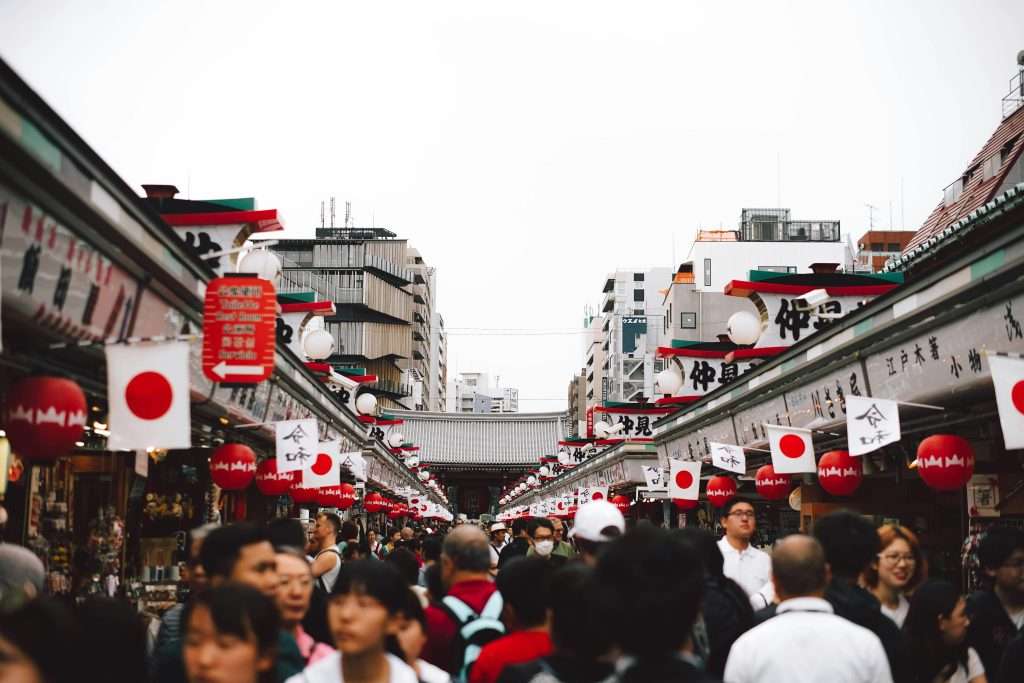
Traveling to Japan is an unforgettable experience, but the language barrier can be challenging for visitors. Learning a few essential Japanese phrases can make a significant difference in how smoothly your trip goes. Whether you’re ordering food, asking for directions, or expressing gratitude, these phrases will help you connect with locals and navigate Japan confidently.
1. Sumimasen (すみません) – Excuse Me / I’m Sorry
Keyphrase: essential Japanese phrases
One of the most versatile phrases in Japanese, Sumimasen can be used in a variety of situations:
- To get someone’s attention (e.g., in a restaurant or store).
- To apologize for bumping into someone or making a mistake.
Example:
- Calling a server: “Sumimasen!”
- Accidentally bumping into someone: “Sumimasen, daijoubu desu ka?” (Excuse me, are you okay?)
2. Arigatou Gozaimasu (ありがとうございます) – Thank You
Expressing gratitude is essential in Japanese culture. Use Arigatou gozaimasu in formal situations and Arigatou in casual ones.
Example:
- When receiving change at a store: “Arigatou gozaimasu.”
- Thanking a friend for a small favor: “Arigatou!”
3. Konnichiwa (こんにちは) – Hello
A polite way to say “hello” during the daytime, Konnichiwa is a great icebreaker when meeting people or entering shops.
Example:
- Greeting a shopkeeper: “Konnichiwa.”
- Saying hello to a guide: “Konnichiwa, yoroshiku onegaishimasu.” (Hello, I look forward to working with you.)
4. Onegaishimasu (お願いします) – Please / I Humbly Request
This versatile phrase is used when making requests politely. It’s also commonly used when asking for services.
Example:
- Ordering in a restaurant: “Ramen, onegaishimasu.” (Ramen, please.)
- Asking for assistance: “Tetsudatte onegaishimasu.” (Please help me.)
5. Doko Desu Ka? (どこですか?) – Where Is…?
When navigating Japan, Doko desu ka? will be your go-to question. Combine it with place names for clarity.
Example:
- Asking for a train station: “Eki wa doko desu ka?” (Where is the station?)
- Looking for a bathroom: “Toire wa doko desu ka?” (Where is the restroom?)
6. Ikura Desu Ka? (いくらですか?) – How Much Is It?
Shopping in Japan becomes much easier with this phrase. Use it when you want to know the price of items.
Example:
- Pointing at an item in a shop: “Kore wa ikura desu ka?” (How much is this?)
- Asking about a menu item: “Sushi wa ikura desu ka?” (How much is the sushi?)
7. Wakarimasen (わかりません) – I Don’t Understand
When language barriers arise, Wakarimasen is a polite way to express that you don’t understand. Pair it with Sumimasen for added politeness.
Example:
- Responding to a fast-talking local: “Sumimasen, wakarimasen.” (I’m sorry, I don’t understand.)
- Inquiring further: “Mou ichido onegaishimasu.” (Could you repeat that, please?)
8. Hai (はい) and Iie (いいえ) – Yes and No
Simple yet powerful, these words will help you respond clearly in most situations.
Example:
- Agreeing to a question: “Hai, sou desu.” (Yes, that’s right.)
- Declining politely: “Iie, kekkou desu.” (No, thank you.)
9. Eigo o Hanasemasu Ka? (英語を話せますか?) – Do You Speak English?
When in doubt, ask if someone speaks English. Many people in urban areas understand basic English.
Example:
- At a train station: “Sumimasen, Eigo o hanasemasu ka?”
- If they respond positively: “Arigatou gozaimasu! Tasukarimasu.” (Thank you, that’s helpful.)
10. Daijoubu (大丈夫) – It’s Okay / I’m Okay
A reassuring phrase that can be used in various contexts, from declining help to checking on someone.
Example:
- Declining an offer: “Daijoubu desu.” (I’m okay.)
- Checking on someone: “Daijoubu desu ka?” (Are you okay?)
Tips for Using These Phrases
- Pronunciation Matters:
Japanese is phonetic, so try to pronounce each syllable clearly. For example, “Konnichiwa” is “Kon-ni-chi-wa,” not “Kon-ni-chwa.” - Be Polite:
Even if your Japanese isn’t perfect, adding Sumimasen or Onegaishimasu can make interactions smoother. - Practice Before You Go:
Apps like Duolingo, Pimsleur, or Google Translate’s speech feature can help you practice.
Why Learn These Phrases?
Using essential Japanese phrases shows respect for the local culture and often earns you warm responses. Even a few words can bridge gaps and make your trip more enjoyable.
Conclusion
Mastering these essential Japanese phrases will help you navigate Japan with confidence and ease. From asking for directions to expressing gratitude, these phrases equip you for various situations. Whether you’re visiting for leisure, studying, or working in Japan, knowing these basics shows cultural respect and enhances your experience.
Bookmark this guide and practice these phrases before your trip. With them, you’ll be ready to explore Japan like a seasoned traveler!
Contact Us for more Japanese language and culture support!