
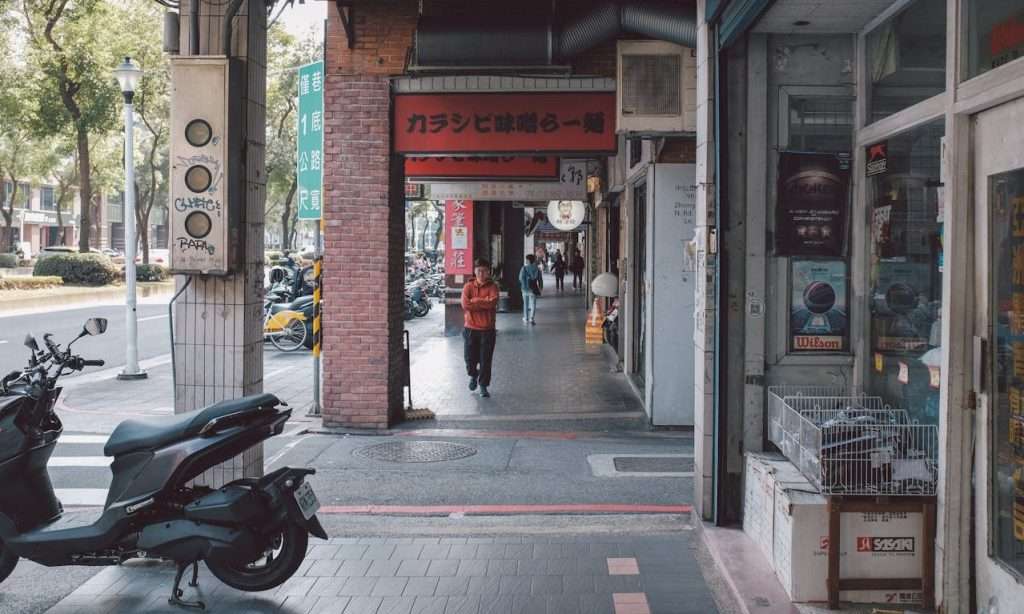
Covered in this Article
- Why electric scooters and motorcycles are growing in popularity in Japan
- The top electric two-wheeler models available in Japan
- Where to find charging stations and battery swap locations
- Government incentives and regulations for electric bikes and scooters
- How these vehicles are transforming urban transportation
Introduction: The Rise of E-Mobility in Japan
Japan is famous for its advanced transportation network, from bullet trains to automated taxis. Now, a new wave of electric two-wheelers is changing the way people move around cities. Electric scooters and motorcycles in Japan are gaining popularity as eco-friendly, cost-effective, and convenient alternatives to gasoline-powered vehicles.
With Japan’s commitment to reducing carbon emissions, major manufacturers like Honda, Yamaha, and Gogoro are investing heavily in electric two-wheelers. Whether you’re a resident or a traveler, understanding Japan’s evolving electric mobility scene can help you make smarter transportation choices.
Why Electric Scooters and Motorcycles Are Growing in Japan
1. Japan’s Push for a Greener Future
Japan has set ambitious carbon neutrality goals by 2050. As part of this effort, the government is actively promoting the adoption of electric vehicles (EVs), including electric scooters and motorcycles.
2. Urban Convenience & Cost Efficiency
With rising fuel prices and increasing congestion in cities like Tokyo and Osaka, electric two-wheelers provide an affordable and practical alternative. They require:
- Lower maintenance costs (fewer moving parts compared to gasoline engines)
- Cheaper “fuel” costs (electricity is more affordable than gasoline)
- No need for a large parking space (compact size = easier parking in cities)
3. Technological Advancements & Battery Swapping
Many Japanese companies, including Honda and Yamaha, are investing in battery swapping technology to make charging faster and more accessible. This allows riders to swap out a depleted battery for a fully charged one in seconds rather than waiting for a full charge.
Top Electric Scooter & Motorcycle Models in Japan
1. Honda Gyro e & Gyro Canopy e
Best for: Delivery services & urban commuting
Battery: Removable, swappable lithium-ion battery
Why it’s great: Used by major delivery companies like Uber Eats
2. Yamaha E-Vino
Best for: Short city commutes
Battery: Lightweight and easy to charge
Why it’s great: Retro design, quiet ride, and perfect for narrow Japanese streets
3. Gogoro Smartscooter
Best for: Tech-savvy commuters & battery swapping convenience
Battery: Swappable battery with fast charging
Why it’s great: Network of battery swap stations for quick energy replenishment
4. Aidea AA Cargo
Best for: Business and commercial use
Battery: High-capacity battery for longer range
Why it’s great: Designed for last-mile delivery & logistics
5. Honda Benly e
Best for: Business & urban riders
Battery: Swappable Honda Mobile Power Pack
Why it’s great: Compact, lightweight, and optimized for city travel
Where to Charge Electric Scooters & Motorcycles in Japan
Finding charging stations is one of the biggest concerns for EV riders, but Japan has a growing network of charging points and battery swap stations.
1. Battery Swap Stations
- Honda, Yamaha, Suzuki, and Kawasaki are collaborating on a standardized battery swapping system.
- Gogoro Swap Stations (introduced in Tokyo & expanding).
2. Public Charging Stations
- EVgo & Eneos offer public charging points in convenience store parking lots.
- Fast-charging stations available in some FamilyMart & Lawson stores.
- Tokyo, Osaka, and Nagoya have the highest number of public charging spots.
3. Home Charging
Many riders charge their scooters overnight at home using a standard electrical outlet.
Government Incentives & Regulations for Electric Two-Wheelers in Japan
To encourage more people to switch to electric, the Japanese government offers several incentives and subsidies for buying electric scooters and motorcycles.
1. Purchase Subsidies
- Up to ¥200,000 subsidy for new electric motorcycles
- Up to ¥50,000 for smaller electric scooters
2. Reduced Taxes & Fees
- Lower vehicle tax than gasoline-powered scooters
- Discounts on parking fees in some areas
3. Licensing & Registration
- 50cc electric scooters: Can be ridden with a standard Japanese Class AM license
- Larger electric motorcycles: Require a standard motorcycle license (Class A)
- Foreigners: Must have a valid International Driving Permit (IDP) or a Japanese motorcycle license
Challenges & Things to Consider Before Buying or Renting
Despite the benefits, there are still some challenges for electric scooter and motorcycle users in Japan:
- Limited charging infrastructure outside major cities
- Higher upfront cost compared to gasoline models
- Battery lifespan & replacement costs
- Not all highways allow electric scooters
However, with increasing investments in battery tech and infrastructure, these issues are expected to improve in the coming years.
Conclusion: Is an Electric Scooter or Motorcycle Right for You?
If you’re looking for a convenient, eco-friendly, and cost-effective way to get around Japan, electric scooters and motorcycles are a fantastic option. Whether you’re a daily commuter, a delivery worker, or an eco-conscious traveler, the future of urban mobility in Japan is undoubtedly electric.
Action Steps to Get Started:
Research available models and battery options
Check nearby charging stations or battery swap networks
Explore government subsidies to reduce costs
Make sure you have the correct license for riding in Japan
If you’re interested in buying, renting, or learning more about electric scooters and motorcycles in Japan, contact our team for expert guidance!
Want to learn more? Check out these articles about Japan’s lifestyle!
Any questions? Contact us here!
Disclaimer
The information in this article is accurate at the time of publication. Regulations and subsidies may change, so please check with official sources before purchasing or renting an electric two-wheeler in Japan.