
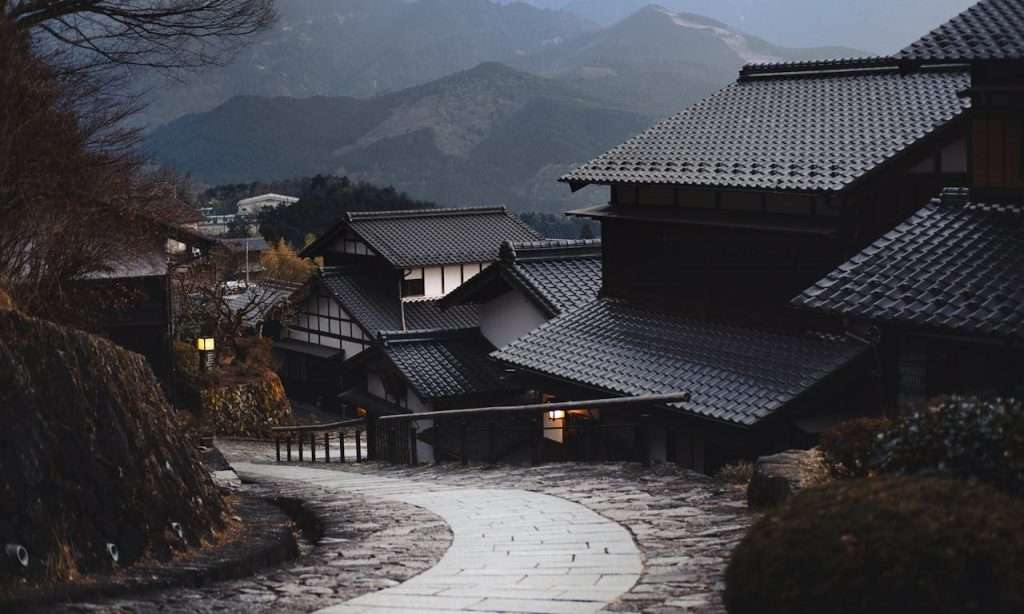
Breaking Down Japan’s Cost of Living: Budgeting for Tokyo vs. Regional Areas
If you’re planning to live in Japan, understanding the cost of living in Japan is vital for managing your finances effectively. Whether you’re eyeing the bustling streets of Tokyo or the tranquil charm of regional towns, this guide breaks down living expenses like rent, groceries, utilities, and transportation. Learn how to create a realistic budget that aligns with your lifestyle and goals.
The Basics of Japan’s Cost of Living
Japan is known for its diverse lifestyle options, ranging from vibrant urban centers to peaceful rural areas. The cost of living varies significantly between regions, influenced by factors like housing demand, public transportation access, and local amenities.
- Urban Areas: Tokyo, Osaka, and Yokohama lead in living expenses, offering convenience but at a higher cost.
- Regional Areas: Cities like Fukuoka, Sendai, or countryside towns offer a more affordable lifestyle with fewer daily expenses.
1. Housing Costs: Tokyo vs. Regional Japan
Tokyo
Housing is the most significant expense in Tokyo, where space is at a premium. Apartments are smaller and rents higher compared to other regions.
- Average Monthly Rent in Tokyo:
- Studio Apartment (1K): ¥80,000–¥120,000
- Family-Sized Apartment (3LDK): ¥200,000+
- Example: A 20 sqm studio in Shibuya could cost ¥110,000, while a similar apartment in Nerima might be ¥70,000.
Regional Areas
In contrast, regional cities and rural towns offer larger living spaces at lower prices.
- Average Monthly Rent in Regional Areas:
- Studio Apartment: ¥30,000–¥50,000
- Family-Sized Apartment: ¥70,000–¥120,000
- Example: A spacious house in rural Nagano might cost ¥50,000, providing far more space than a Tokyo apartment.
Tips to Save on Housing Costs
- Share Accommodation: Consider shared housing or dormitories for students and young professionals.
- Commute Smart: Living slightly outside central areas can significantly reduce rent.
2. Groceries and Food
Tokyo
Groceries in Tokyo tend to be pricier due to logistics and demand. Dining out can also add up quickly, especially in upscale areas.
- Monthly Grocery Budget: ¥30,000–¥50,000
- Dining Out:
- Budget Meal (Ramen): ¥800–¥1,200
- Mid-Range Restaurant: ¥3,000–¥5,000 per person
Regional Areas
Groceries are generally cheaper in regional Japan, and local produce is often fresher and more affordable. Dining out is also less expensive.
- Monthly Grocery Budget: ¥20,000–¥35,000
- Dining Out:
- Budget Meal: ¥600–¥1,000
- Mid-Range Restaurant: ¥2,000–¥4,000 per person
Money-Saving Tips for Food
- Shop at discount stores like Gyomu Super for bulk items.
- Visit local farmers’ markets for fresh, affordable produce.
- Take advantage of evening discounts at supermarkets (after 7 PM).
3. Utilities and Internet
Utility costs in Japan include electricity, gas, water, and internet.
Tokyo
Utilities are generally higher in Tokyo due to increased usage and higher service charges.
- Monthly Utilities (Single Person): ¥10,000–¥15,000
- Monthly Internet: ¥4,000–¥6,000
Regional Areas
In regional Japan, utility costs are lower, partly due to milder weather and less heating or cooling demand.
- Monthly Utilities (Single Person): ¥7,000–¥12,000
- Monthly Internet: ¥3,000–¥5,000
Tips to Reduce Utility Bills
- Use energy-efficient appliances.
- Opt for mobile Wi-Fi services to reduce internet costs.
- Adjust heating and cooling settings to conserve energy.
4. Transportation
Tokyo
Tokyo’s world-class public transport system is efficient but can add up if you commute daily.
- Monthly Train Pass (Commute): ¥10,000–¥20,000
- Taxis: Start at ¥500–¥800 and increase per kilometer.
Regional Areas
In regional areas, transportation costs are lower, but access to public transit might be limited. Many residents rely on cars.
- Car Ownership Costs:
- Gasoline: ¥150–¥180 per liter
- Parking: ¥5,000–¥20,000 per month (depends on location)
Tips for Transportation Savings
- Use prepaid IC cards like Suica or Pasmo for discounts.
- Consider cycling for short commutes in cities.
5. Other Daily Expenses
Healthcare
- National Health Insurance Premium: ¥2,000–¥20,000 per month (depends on income).
- Doctor Visit: ¥1,000–¥5,000 (with insurance).
Entertainment
- Movie Tickets: ¥1,800–¥2,000 in Tokyo; ¥1,200–¥1,500 in regional areas.
- Gyms: ¥7,000–¥12,000 per month in Tokyo; ¥5,000–¥8,000 in regional areas.
Education
- Japanese Language Schools: ¥50,000–¥100,000 per month.
- International Schools: ¥2 million+ per year.
6. Budgeting Tips for Life in Japan
- Track Your Expenses: Use apps like Zaim or Money Forward to monitor spending.
- Choose Wisely: Opt for regional living if you’re on a tight budget.
- Take Advantage of Deals: Use discount chains like Daiso and Don Quijote for daily essentials.
Final Thoughts
The cost of living in Japan can vary widely depending on your location and lifestyle. Tokyo offers unparalleled convenience at a premium, while regional areas provide affordability and charm. By understanding these differences and planning your budget carefully, you can enjoy a comfortable life in Japan, whether you’re visiting, studying, working, or starting a business.
Take the time to research and adapt to local living costs, and you’ll find Japan to be a rewarding place to call home.
Ready to explore more about Japan or need personalized guidance? Contact us here!
Disclaimer
This article is for informational purposes only. Always check local regulations and seasonal advisories before visiting parks or nature spots.