
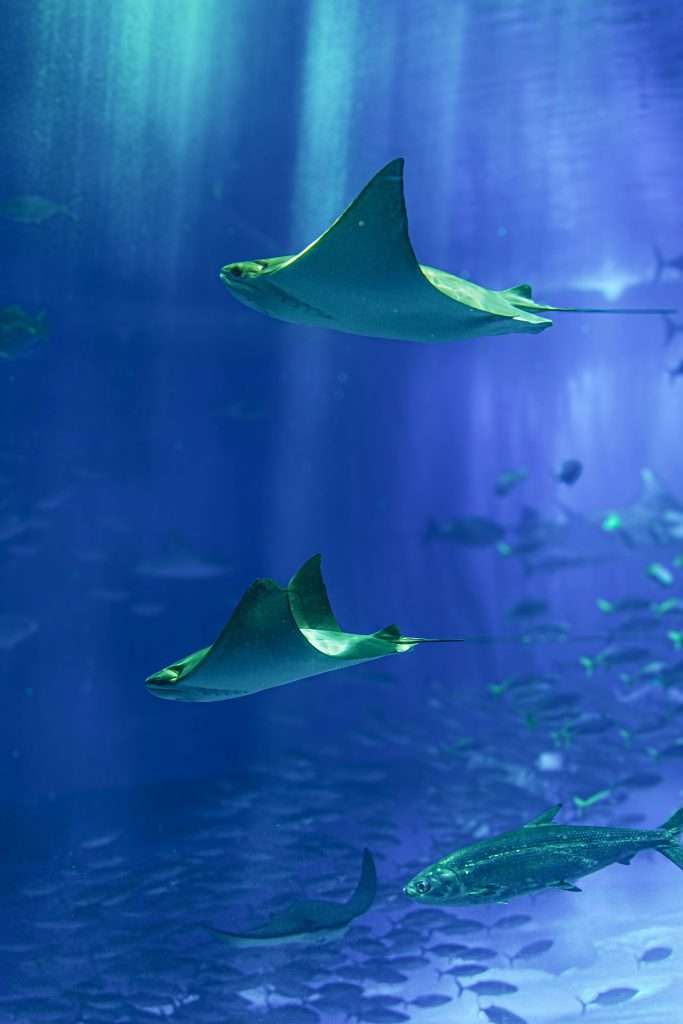
Japan is home to some of the world’s most impressive aquariums — but which ones prioritize animal welfare, conservation, and education? Here’s how to choose responsibly.
Japan’s aquariums are among the most advanced in the world — architecturally stunning, scientifically sophisticated, and deeply engaging for visitors of all ages.
However, as awareness grows globally around animal welfare, captivity standards, and conservation, many travelers and families want to make informed choices about which aquariums to support.
This guide highlights the best aquariums in Japan with a strong focus on:
- Conservation and research
- Education and transparency
- Responsible care practices
- Reduced reliance on entertainment-only animal performances
📘 Covered in This Article
- How to evaluate aquariums ethically
- Japan’s most respected aquariums
- Conservation-focused exhibits
- Family-friendly and educational facilities
- Important ethical considerations
🌱 What Makes an Aquarium “Ethical”?
When evaluating aquariums in Japan (or anywhere), consider the following factors:
Positive Indicators
- Focus on marine research and conservation
- Large, enriched habitats appropriate to species
- Educational exhibits explaining ecosystems and threats
- Participation in breeding and rescue programs
- Transparency about animal care
Caution Areas
- Heavy reliance on performance-style shows
- Small enclosures for large mammals
- Limited educational context
- Entertainment prioritized over welfare
💡 Important context:
Japan does not yet have aquarium regulations as strict as some Western countries, so institution-by-institution evaluation matters.
🌊 Top Aquariums in Japan (With Ethical Context)
Okinawa Churaumi Aquarium
Location: Okinawa
Why it stands out: Conservation & research leadership
One of the world’s largest aquariums, famous for its massive Kuroshio Tank and whale sharks.
Ethical Strengths:
- Strong research focus on whale sharks and manta rays
- Advanced water systems and large-scale habitats
- Education on coral reefs and Okinawan marine ecosystems
Considerations:
- Whale sharks in captivity remain controversial globally
- Churaumi is among the more transparent institutions regarding research goals
Best for: Marine science enthusiasts and educational visits
Sumida Aquarium
Location: Tokyo Skytree Town
Why it stands out: Urban, modern, and education-first
Sumida Aquarium is often cited as one of Japan’s most welfare-conscious aquariums.
Ethical Strengths:
- No dolphins or large marine mammals
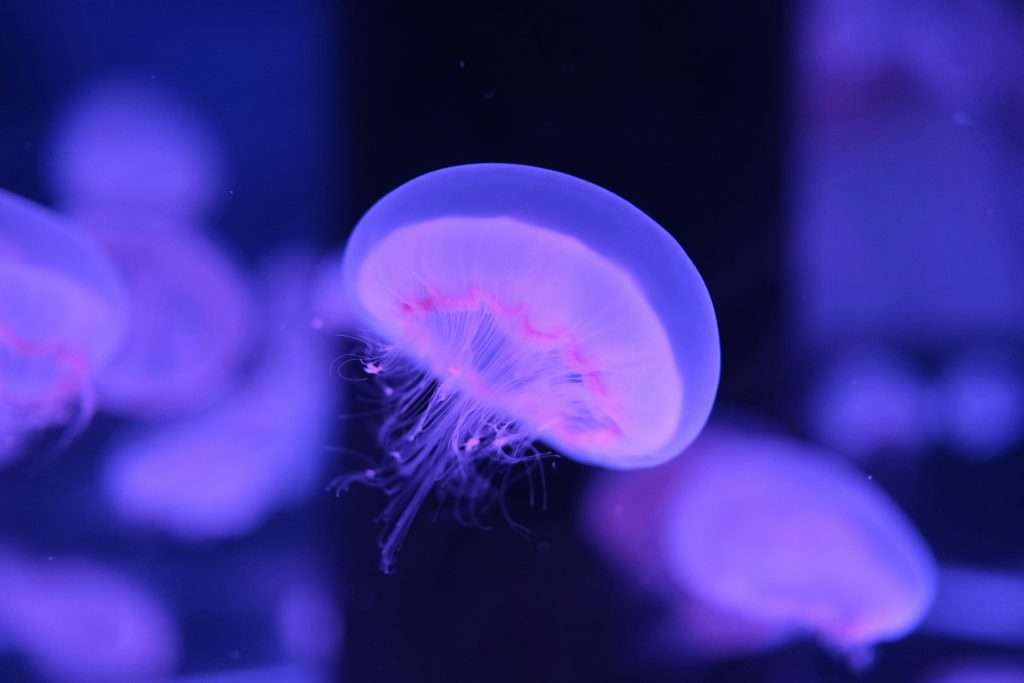
- Emphasis on penguins, jellyfish, reef fish
- Open-care concept where staff work visibly
- Strong conservation messaging
Best for: Families, first-time visitors, ethically conscious travelers
Osaka Aquarium Kaiyukan
Location: Osaka Bay
Why it stands out: Ecosystem-based design
Kaiyukan’s exhibits are designed around the Pacific Rim, showing how species coexist across ecosystems.
Ethical Strengths:
- Very large tanks relative to many aquariums
- Strong educational storytelling
- Detailed explanations of ocean environments
Considerations:
- Includes large species (e.g., whale sharks), which raises ethical debate
- Offers educational framing rather than pure spectacle
Best for: Visitors wanting a “big-picture” ocean experience
Port of Nagoya Public Aquarium
Location: Nagoya
Why it stands out: Research-oriented public institution
A government-run aquarium with strong ties to marine research.
Ethical Strengths:
- Public, non-profit orientation
- Research and breeding programs
- Detailed educational exhibits
Considerations:
- Dolphin shows still exist (though increasingly framed as educational)
Best for: Educational visits and students
Enoshima Aquarium
Location: Near Kamakura
Why it stands out: Local ecology focus
This aquarium emphasizes Sagami Bay’s marine life and regional conservation.
Ethical Strengths:
- Strong focus on local species
- Active conservation education
- Smaller scale than mega-aquariums
Best for: Day trips from Tokyo and eco-minded visitors
👨👩👧 Are Japanese Aquariums Family-Friendly?
Yes! Often extremely so.
Most aquariums feature:
- Clear educational signage (often multilingual)
- Interactive learning areas for children
- Clean, accessible facilities
- Calm, safe environments
💡 Parents looking to introduce children to marine life responsibly often prefer Sumida Aquarium or regional ecology-focused aquariums.
🌍 Aquariums vs Marine Parks: Important Distinction
In Japan, aquariums and marine parks are sometimes confused.
Generally Better Choices
✔ Research-focused aquariums
✔ Public or non-profit institutions
✔ Facilities emphasizing education
Use Caution With
⚠ Theme-park-style marine attractions
⚠ Heavy performance-based dolphin shows
⚠ Facilities with limited transparency
Being selective sends a clear message that education and welfare matter.
🧠 How to Visit Aquariums Responsibly in Japan
✔ Choose institutions with conservation messaging
✔ Spend time reading educational displays
✔ Support aquariums that fund research
✔ Avoid shows that feel purely entertainment-driven
✔ Talk to staff — many are passionate marine scientists
🏁 Key Takeaways
- Japan has some of the world’s most advanced aquariums
- Ethical standards vary — choosing carefully matters
- Facilities like Sumida Aquarium emphasize welfare and education
- Large-scale aquariums raise complex ethical debates
- Responsible tourism supports better animal care practices. Caring and understanding the world around us matters!
📨 Call to Action
Want to experience Japan responsibly while traveling or living here?
Follow and Contact Refer Japan for thoughtful guides on ethical travel, family-friendly activities, and meaningful cultural experiences across Japan.
⚖️ Disclaimer
Animal care practices, exhibits, and policies may change over time. Visitors are encouraged to review official aquarium statements and conservation programs before visiting.