
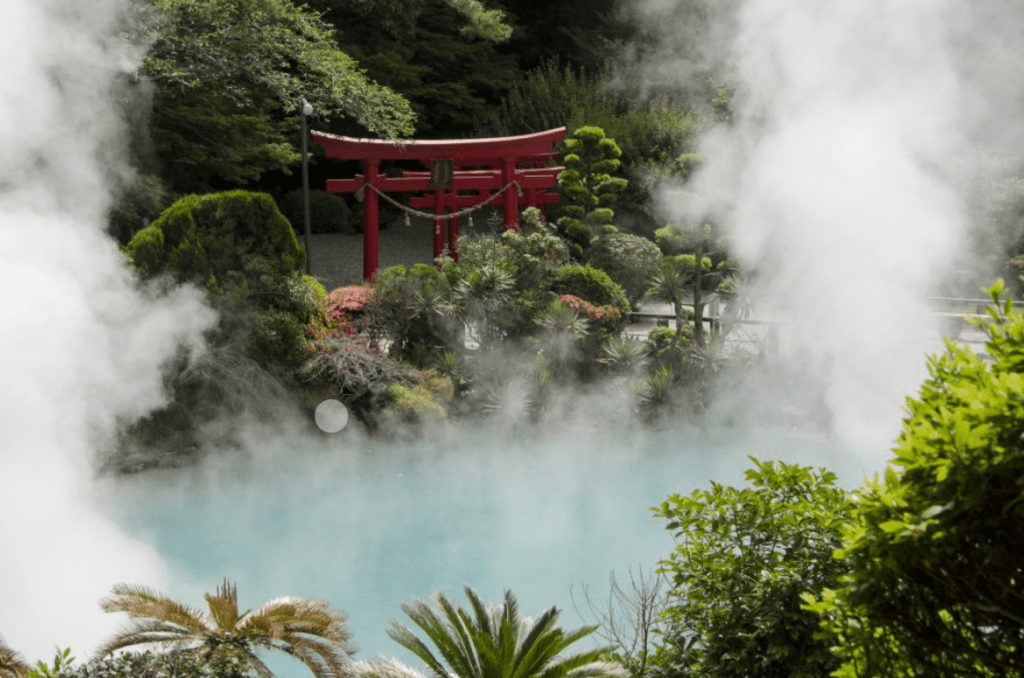
Balancing City Life and Nature in Japan: How to Stay Grounded in Urban Environments
Practical tips for finding peace, greenery, and mindful living in Tokyo, Osaka, and other bustling Japanese cities. The Key to Balancing City Life & Nature in Japan.
What You Will Learn
- How Japan blends urban efficiency with natural beauty
- Practical ways to access nature in cities like Tokyo & Osaka
- Mindfulness habits to keep your mental health strong
- Hidden spots for greenery and fresh air within the city
- Resources for integrating outdoor time into your routine
Why This Topic Matters
Japan’s largest cities—Tokyo, Osaka, Nagoya, Yokohama—are exciting hubs of culture, food, and opportunity. But constant crowds, neon lights, and packed schedules can take a toll on your well-being.
Even in these mega-cities, Japan offers abundant ways to reconnect with nature without taking a Shinkansen to the countryside. Knowing how to find and integrate these green spaces into your daily life can keep you energized, inspired, and balanced.
Key Concept: “Shizen” (自然) – Nature as a Daily Companion
Shizen means “nature” in Japanese, but it’s more than just a physical place—it’s a lifestyle of harmony with the environment. You can find shizen even in the heart of Shinjuku or Namba if you know where to look.
Example:
A Tokyo salaryman might spend the morning in back-to-back meetings, then recharge by walking through the Meiji Shrine forest on the way home.
Practical Tips for Staying Grounded in Japan’s Urban Environments
Start Your Day with a Nature Ritual
- Morning walks in your nearest park (Ueno Park in Tokyo, Osaka Castle Park in Osaka)
- Balcony gardening—mini bonsai, herbs, or seasonal flowers
Use Japan’s “Pocket Parks”
Many neighborhoods have tiny green oases—often with benches, trees, and seasonal flowers—perfect for a lunch break reset.
Plan Weekly Nature Escapes
- Tokyo: Mount Takao (just 50 min from Shinjuku)
- Osaka: Minoo Park for waterfalls and hiking trails
Practice Shinrin-yoku (森林浴)
Forest bathing is a Japanese mindfulness practice. Simply being in a wooded area, breathing deeply, and absorbing the atmosphere can reduce stress and improve focus.
Integrate Nature into Your Commute
- Choose walking or cycling routes that pass by rivers or parks
- Use JR and Metro stations with nearby green spaces for micro-breaks
Obstacles to Watch Out For
- Time Pressure: Work culture may limit your free time—schedule short but frequent nature breaks.
- Crowds in Popular Parks: Visit early morning or weekdays to enjoy tranquility.
- Seasonal Weather: Adjust activities for Japan’s hot summers and chilly winters.
Case Study: The “Lunchtime Nature Escape” Habit
Aya, a marketing professional in Shibuya, started spending 15 minutes daily in Yoyogi Park during lunch. She found her afternoon productivity improved and her stress levels dropped—proof that even micro-interactions with nature can make a big difference.
Actionable Takeaways
- Identify your nearest green space and visit at least 3 times a week.
- Try shinrin-yoku once a month in a larger park or forest.
- Keep a small plant at home or on your desk as a daily reminder of nature.
- Mix work with wellness—host meetings while walking through a park.
Want more Japan lifestyle tips? Contact us to discover hidden nature spots in Japan’s biggest cities and learn how to make the most of urban life while staying grounded.
Disclaimer
This article is for informational purposes only. Always check local regulations and seasonal advisories before visiting parks or nature spots.