
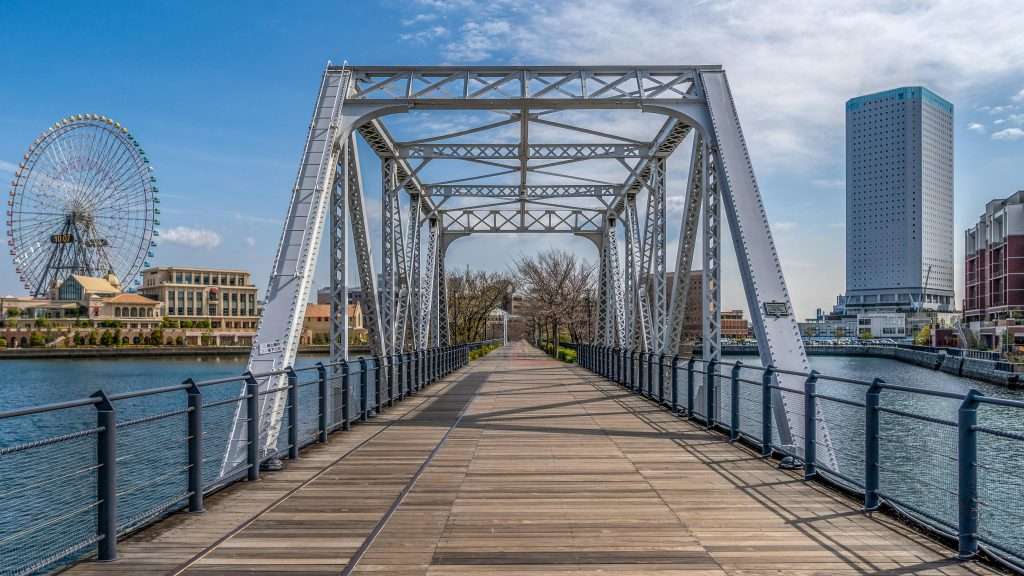
Looking for cheaper rent and more space while staying close to Tokyo? Explore the best commuter-friendly, affordable cities like Yokohama, Saitama, and Chiba for 2026.
Covered in this Article
- Why live outside Tokyo?
- Top commuter-friendly cities for foreigners
- Rent and commute time comparisons
- Lifestyle highlights and local culture
- Housing options and cost-saving tips
Introduction
Tokyo’s world-class convenience comes at a price — small apartments, crowded commutes, and high rent.
Fortunately, there are beautiful, affordable cities just outside the capital that offer more space, comfort, and a relaxed lifestyle — while keeping you within an hour of Tokyo’s main business districts.
This 2026 guide highlights the best Tokyo commuter cities for foreign residents — balancing rent, transport, and quality of life.
Why Live Outside Tokyo?
Lower rent — save 20–50% compared to central Tokyo.
More spacious apartments — often double the size for the same cost.
Easier move-in — more “foreigner OK” listings.
Relaxed pace of life — cleaner air, quieter neighborhoods.
Direct train access — easy commutes via major lines.
Affordable Cities Near Tokyo (2026 Edition)
1. Yokohama (横浜市, Kanagawa) — Cosmopolitan Port City
Average Rent: ¥75,000–¥120,000 (1K–1LDK)
Commute to Tokyo: 25–40 minutes to Shibuya or Shinagawa
Why live here:
- Japan’s second-largest city with a global, seaside vibe
- Popular among expats and international families
- Bilingual hospitals, schools, and shops
- Landmark Tower, Minato Mirai, and Chinatown add urban charm
Local Tip: The Motomachi–Yamate area offers a Western-style atmosphere and historic homes.
Best For: Professionals, families, and creatives.
2. Saitama City (さいたま市, Saitama) — Affordable, Clean, and Commuter-Friendly
Average Rent: ¥60,000–¥90,000
Commute: 30–40 minutes to Tokyo Station via JR Takasaki/Ueno Lines
Why live here:
- Low living costs and quiet environment
- Modern housing with larger rooms
- Excellent transport and shopping at Omiya Station
Local Tip: Omiya Park and the Railway Museum are great weekend spots.
Best For: Budget-conscious workers and students.
3. Chiba City (千葉市, Chiba) — Coastal Living with City Access
Average Rent: ¥55,000–¥85,000
Commute: 40–50 minutes to Tokyo Station via Sobu Line
Why live here:
- Beachside areas and suburban calm
- Easy access to Narita Airport and Tokyo Disney Resort
- New business zones in Makuhari Bay area
Local Tip: Chiba is popular with remote workers who value peace and nature.
Best For: Digital nomads, airport workers, and families.
4. Kawasaki (川崎市, Kanagawa) — Urban Convenience Between Tokyo & Yokohama
Average Rent: ¥70,000–¥110,000
Commute: 15–25 minutes to central Tokyo
Why live here:
- Compact, modern city with great rail links
- Cheaper than Tokyo but with similar convenience
- Vibrant shopping areas around Kawasaki Station
Local Tip: The Tama River area is ideal for outdoor runners and cyclists.
Best For: Commuters who want a short train ride to work.
5. Kashiwa (柏市, Chiba) — Student & Family Hub with a Local Feel
Average Rent: ¥55,000–¥85,000
Commute: 35–45 minutes to Ueno or Akihabara (Joban Line)
Why live here:
- Family-friendly, with many parks and schools
- Local university town with young energy
- Growing number of international restaurants and cafés
Local Tip: Kashiwa-no-ha Campus area is a model “smart city” with eco-friendly housing.
Best For: Students, families, and community-oriented expats.
6. Machida (町田市, Western Tokyo) — Suburban Tokyo with Local Charm
Average Rent: ¥60,000–¥95,000
Commute: 35–50 minutes to Shinjuku or Shibuya
Why live here:
- Technically part of Tokyo, but greener and more spacious
- Affordable family housing and strong local community
- Easy access to both Tokyo and Yokohama
Local Tip: Machida is known for its shopping streets and park-lined residential zones.
Best For: Families, teachers, and budget travelers.
Rent & Commute Comparison (2026 Estimate)
| City | Average Rent (1K–1LDK) | Commute to Tokyo | Lifestyle |
|---|---|---|---|
| Yokohama | ¥75,000–¥120,000 | 25–40 min | Cosmopolitan, seaside |
| Kawasaki | ¥70,000–¥110,000 | 15–25 min | Urban & convenient |
| Saitama | ¥60,000–¥90,000 | 30–40 min | Affordable, quiet |
| Chiba | ¥55,000–¥85,000 | 40–50 min | Coastal, relaxed |
| Kashiwa | ¥55,000–¥85,000 | 35–45 min | Student-friendly |
| Machida | ¥60,000–¥95,000 | 35–50 min | Suburban, green |
Pro Tip: Many landlords outside central Tokyo are more open to foreign residents — often with lower upfront costs and flexible contracts.
Foreigner-Friendly Housing Options
- UR Urban Renaissance Housing: Government-managed, no key money or guarantor.
- Leopalace21: Furnished apartments for short or long-term stays.
- Oakhouse Sharehouses: Great for community living and language exchange.
- RealEstate.co.jp / GaijinPot Housing: English listings across all Tokyo suburbs.
Lifestyle Benefits
More space & nature: Ideal for families and remote workers.
Efficient trains: Most suburban cities connect directly to Tokyo hubs.
Schools & universities: Many international institutions nearby.
Friendly locals: Smaller communities = easier integration.
Moving Tip
If you plan to commute daily, use HyperDia or Google Maps Transit to check:
- Commute time from home to office
- Train transfers and costs
- Rush-hour congestion levels
Example:
Yokohama → Shibuya = 35 min on Tokyu Toyoko Line (~¥390 one way)
Key Takeaways
Cities like Yokohama, Saitama, Chiba, and Kawasaki offer cheaper rent and great access to Tokyo.
Expect average rent of ¥55,000–¥110,000 for a 1K–1LDK in 2026.
Look for foreigner-friendly housing providers like UR and Leopalace21.
Ideal for students, professionals, and families seeking balance and affordability.
Seek out these affordable cities instead of Tokyo if you want to balance your budget more carefully.
Call to Action
Considering a move near Tokyo?
Follow and Contact Refer Japan for relocation tips, city guides, and housing updates to help you find your perfect balance between budget, comfort, and convenience in an affordable city.
Disclaimer
Commute times and rental prices are estimates and may vary by station, building type, and season. Always confirm details before signing a lease.